Hotels have spent years investing in digital tools, yet many properties still operate with disconnected systems behind the scenes. Even with modern PMS platforms, mobile check-ins, and digital payment tools, operational data often remains fragmented across departments.
That fragmentation becomes more noticeable as hotels expand beyond room-focused operations. Revenue now comes from food and beverage, wellness, coworking, retail, and experience-led services that require seamless coordination between systems.
Guests increasingly expect smooth and connected experiences throughout their stay. They want fast room charging, mobile ordering, and frictionless payments without repeating details or waiting for manual approvals.
This growing demand is driving hotels toward unified PMS and POS platforms. The goal is not simply replacing vendors, but creating a connected operational environment where guest data, payments, and transactions work together in real time.
Why Hotels Are Moving Away From Disconnected Systems
Many hotels built their technology infrastructure gradually over time. PMS systems handled reservations while separate platforms managed restaurants, spas, bars, and retail outlets.
That structure worked when room bookings represented the majority of hotel revenue. However, modern hospitality operations now function as interconnected commercial ecosystems with multiple revenue streams.
Disconnected systems create operational friction for both staff and guests. Front-desk teams may lack visibility into total guest spending, while finance departments spend extra time reconciling reports from separate systems.
Revenue teams also struggle to fully understand guest value when transaction data remains isolated across departments. This has shifted industry conversations toward operational convergence instead of isolated technology procurement.
Unified Guest Data Is Reshaping Hospitality Operations
One of the biggest advantages of unified PMS and POS platforms is the creation of richer guest profiles. Traditional hotel systems mainly focused on reservations, room preferences, and loyalty data.
Modern unified systems provide visibility into dining habits, wellness purchases, and broader guest spending behavior across the property. This gives hotels a more complete understanding of customer preferences.
With integrated transactional data, front-office teams gain stronger context before arrival, while marketing teams can deliver more personalized recommendations and promotions.
Hotels can also identify high-value guests based on total spending instead of room revenue alone. Guests who frequently purchase wellness treatments or premium dining experiences can receive targeted offers and upsell opportunities.
Embedded Commerce Improves Guest Convenience
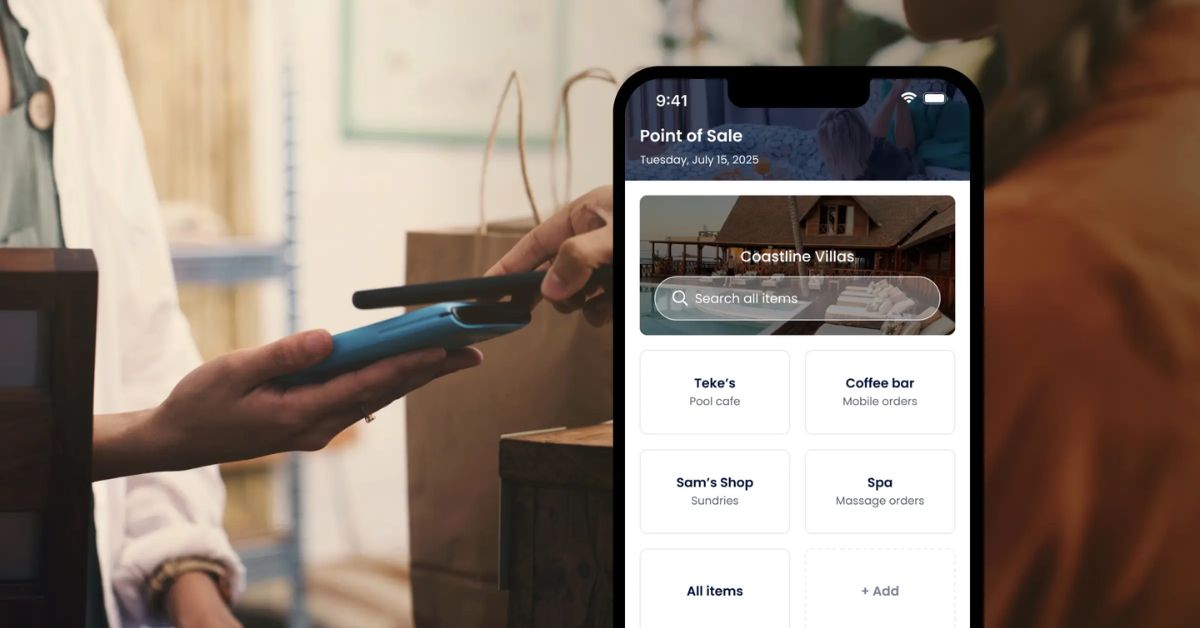
Guests now expect hotel transactions to feel fast, mobile, and almost invisible. Ordering food, charging services to a room, and making payments are increasingly becoming part of a seamless digital journey.
These experiences rely heavily on coordination between PMS, POS, and payment systems. When systems remain disconnected, guests often face delays, repeated payment verification, or manual intervention from staff.
Unified platforms reduce that friction by allowing guest identity and payment information to remain consistent across operational environments. Charges can be validated instantly, improving transaction speed and accuracy.
Hotels also benefit commercially from smoother embedded commerce experiences. Faster ordering and simplified payments often improve ancillary revenue by encouraging more guest spending throughout the stay.
Read : Physical AI Brings Humanoid Robots to Factories
Centralized Reporting Supports Smarter Hotel Management
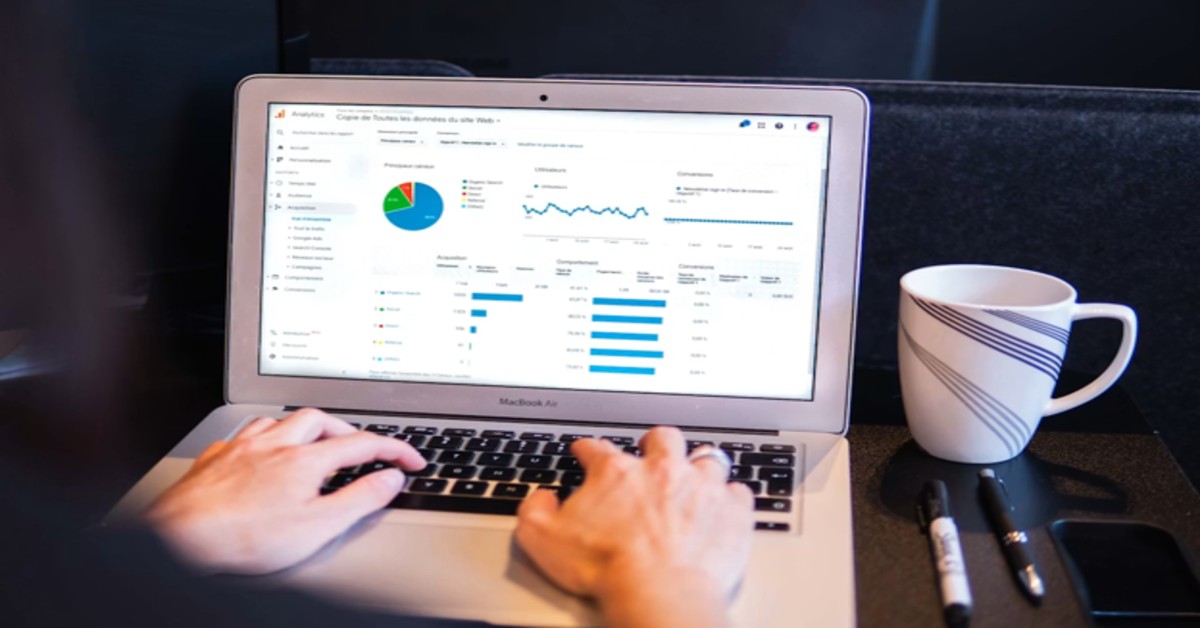
Operational convergence also improves reporting quality and revenue visibility. Fragmented systems often force finance teams to manually reconcile data from restaurants, spas, bars, and retail outlets.
This slows decision-making and limits insight into total guest spending patterns. Hotels increasingly want centralized visibility into profitability across the entire property.
Unified PMS and POS environments provide consolidated operational data that improves forecasting and strengthens revenue management strategies. Transaction behavior becomes directly connected to occupancy and guest activity.
At the same time, integrated systems help hotels operate more efficiently with leaner teams. Staff can manage guest requests and transactions more smoothly without switching between disconnected workflows.
Hotels are becoming increasingly experience-driven and transaction-heavy. Unified PMS and POS platforms are now evolving into core hospitality infrastructure that supports convenience, personalization, and real-time operational visibility.