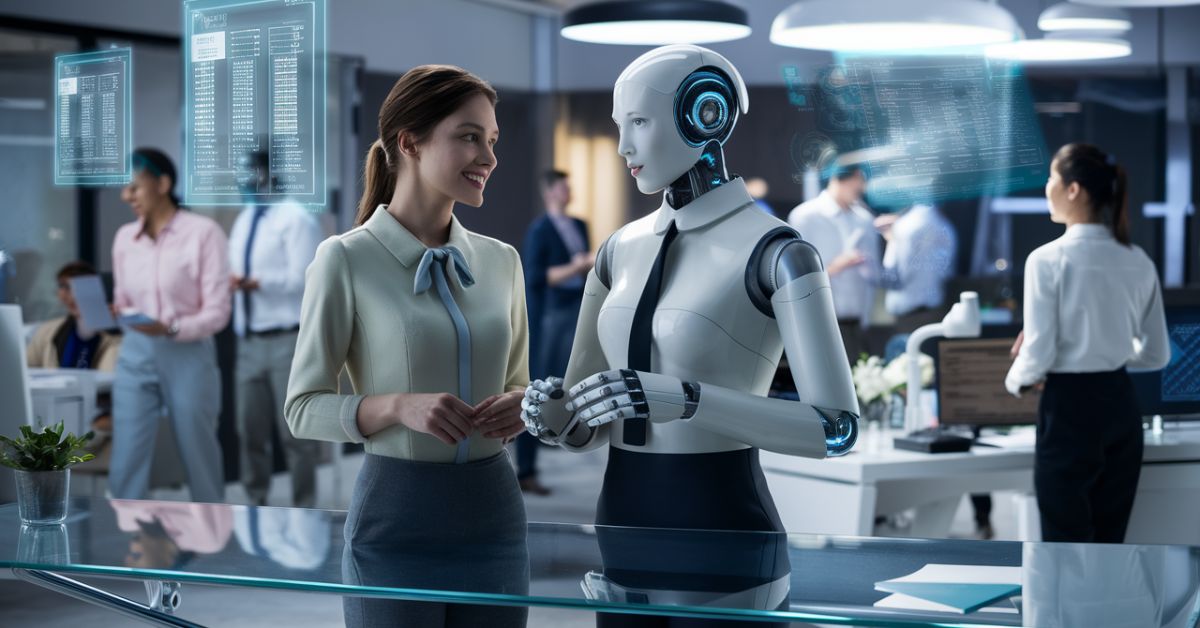
AI is becoming a workplace teammate, but many employees still feel unprepared for the future. A recent ADP Research survey found that only 26% of workers believe they have the skills needed to grow their careers over the next three years. At the same time, fewer than one in five employees feel their company is investing enough in skill development. This gap highlights a growing challenge for employers worldwide.
As businesses continue integrating AI into daily operations, the demand for upskilling is increasing rapidly. However, simply providing training sessions is not enough. Employees need meaningful support to adapt to AI-driven workflows and build long-term confidence. Organizations must create an environment where learning is part of everyday work rather than an extra task.
Many companies focus on scheduling time for training, but the real challenge is creating space. Workers need mental focus, organizational support, and fewer distractions to develop new abilities. Without this space, training becomes another rushed obligation and often fails to create lasting results.
The shift toward AI-powered teams is changing how businesses approach workforce development. Employers now recognize that upskilling is essential for staying competitive. As AI takes over repetitive tasks, employees need stronger creative, strategic, and problem-solving skills.
Why Space Matters More Than Time for Learning
Successful skills development depends on more than available hours in the day. Workers may have time blocked on a calendar, but without the right mindset and organizational support, that time often feels ineffective. Space means giving employees the freedom to focus deeply on learning without competing priorities.
This concept makes learning a strategic part of an employee’s role. Instead of squeezing training into a busy schedule, companies can treat development as a core business priority. This approach improves retention and ensures workers can apply new skills effectively.
The article compares this process to professional golf training. Like athletes, employees need a plan that creates room for practice, feedback, and continuous improvement. This structured approach helps skills become natural over time.
For employers, building this space requires aligning learning goals with larger business objectives. When organizations make upskilling part of their long-term strategy, employees gain confidence and are better prepared for future workplace demands.
AI Adoption Requires Patience and Continuous Practice
Integrating AI into daily work does not happen instantly. Workers need time to test new tools, understand their value, and adapt their workflows. Learning alongside AI requires patience, experimentation, and repeated practice before it becomes part of routine work.
ADP’s findings show that only 20% of workers use AI nearly every day. In addition, just 17% believe AI will positively impact their job in the coming year. These numbers suggest that many employees still feel uncertain about the role of AI in their careers.
AI can become a valuable teammate by automating repetitive tasks and improving efficiency. This creates more opportunities for employees to focus on decision-making, creativity, and human-centered tasks. However, organizations must invest in structured training to make this transition successful.
Companies that create space for AI learning will see stronger adoption. Employees need the chance to experiment, refine their processes, and build confidence before AI can truly improve productivity.
Read : Court Backs Oil Firms in Louisiana Coast Damage Case
Strong Managers Create Better Learning Environments
Managers play a key role in creating the space needed for successful skill development. They help employees identify which skills are important, provide guidance, and remove barriers that limit growth. Strong leadership ensures learning stays connected to business goals.
The article highlights how professional athletes rely on coaches for improvement. In the same way, employees benefit from managers who can provide direction, feedback, and encouragement during workplace changes. This support makes adapting to AI easier and more practical.
A good manager also helps workers identify opportunities to apply new skills in real projects. This practical experience strengthens learning and ensures new abilities contribute to business outcomes. Managers become essential partners in building an AI-ready workforce.
As AI reshapes the future of work, companies need leaders who prioritize development. Creating learning space, encouraging experimentation, and guiding employees through change will determine long-term success.