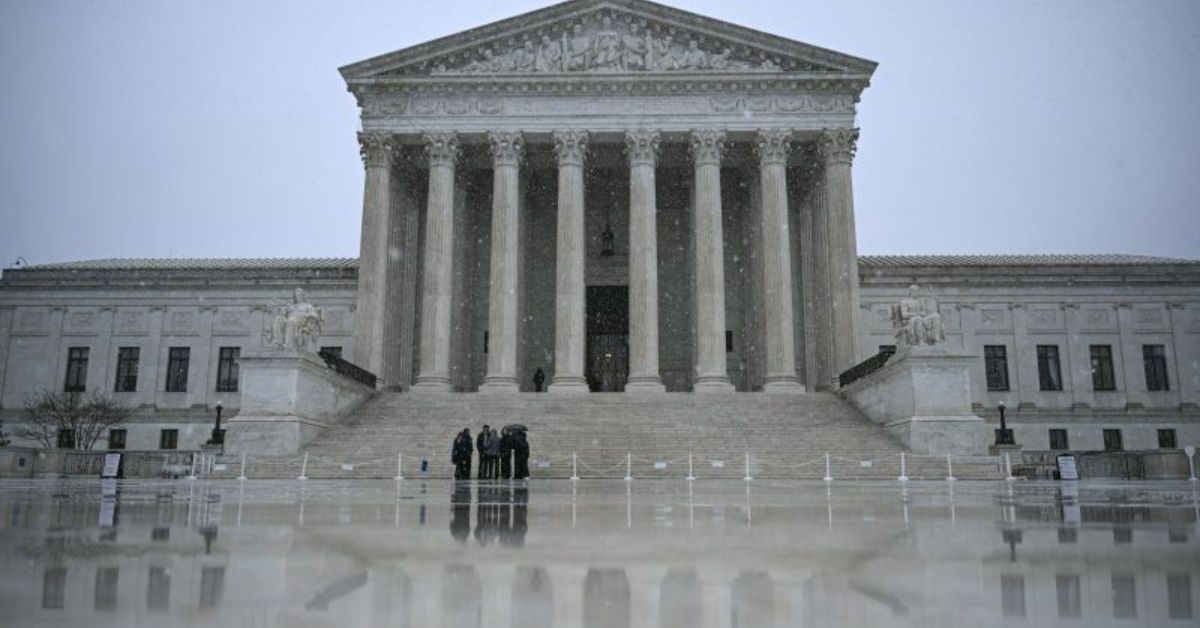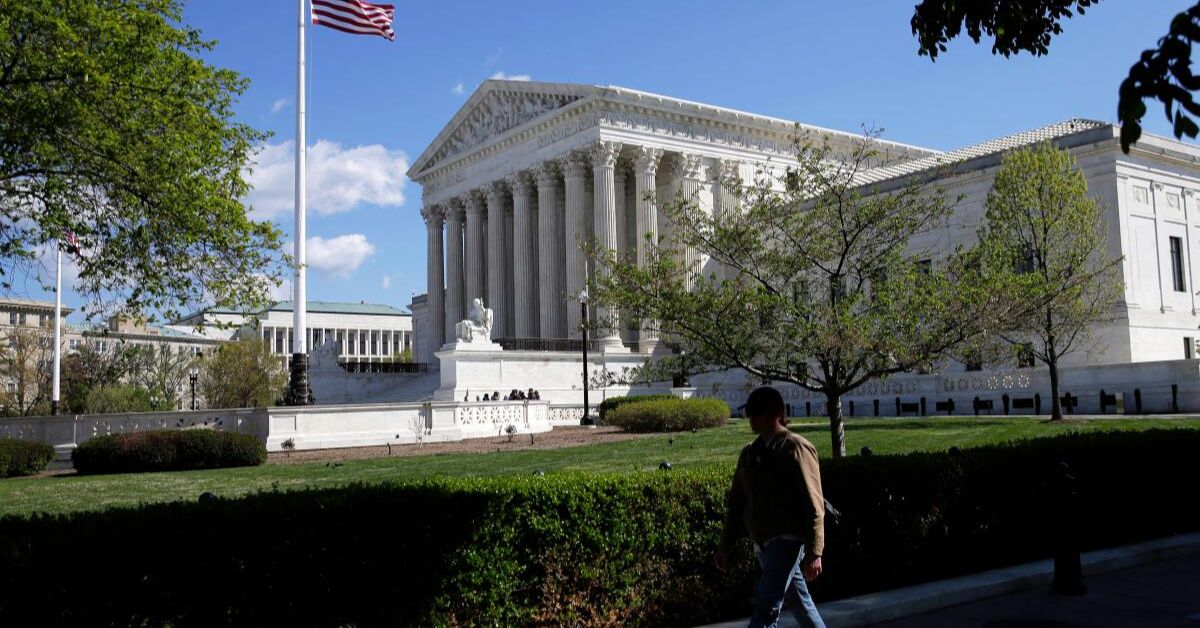
The Supreme Court of the United States on Friday sent a major lawsuit involving oil and gas companies and damage to the Louisiana coastline back to federal court. Several Louisiana parishes originally filed the case in state court, accusing energy companies of contributing to environmental destruction along the coast through decades of oil production activities.
In an 8-0 decision in Chevron USA Inc. v. Plaquemines Parish, the court overturned a previous appeals court ruling that blocked the companies from moving the case into the federal court system. Justice Samuel Alito did not participate because he owns stock connected to one of the companies involved in the lawsuit.
The ruling centers on the “federal officer removal statute,” a law that allows certain cases filed in state courts to move into federal courts when companies or individuals acted under the direction of federal officers or agencies.
The Supreme Court’s decision marks an important legal development for energy companies facing environmental lawsuits tied to historic industrial operations and wartime government contracts.
Louisiana Coastal Damage Lawsuit Targets Oil Operations
The lawsuit dates back more than a decade, when Louisiana parishes and state officials accused oil and gas companies of violating state environmental laws during crude oil production activities along the coast. The plaintiffs argued the companies failed to secure proper permits or ignored environmental requirements tied to those permits.
The lawsuit also claimed the companies’ operations before 1980 did not qualify for protections under earlier laws because they allegedly failed to follow accepted industry practices. Louisiana officials sought financial damages and restoration efforts for environmentally impacted coastal regions.
Oil companies, including subsidiaries linked to Chevron, argued they acted under federal government authority during World War II. The companies said wartime contracts required them to refine crude oil into aviation gasoline, also known as avgas, for military use.
Based on those federal contracts, the companies attempted to move the lawsuit from Louisiana state court into federal court under the federal officer removal statute.
Supreme Court Rejects Lower Court’s Reasoning
The United States Court of Appeals for the Fifth Circuit previously ruled that the companies acted under federal authority during wartime. However, the appeals court concluded the environmental claims did not sufficiently relate to the companies’ federal duties.
The appeals court argued the wartime refining contracts focused mainly on gasoline production rather than crude oil extraction. Judges also noted the federal government gave companies flexibility to purchase crude oil from outside sources instead of increasing production directly.
Writing for the Supreme Court majority, Justice Clarence Thomas rejected that narrow interpretation. He explained that the phrase “relating to” within the federal officer removal statute should apply broadly when federal duties closely connect to the challenged conduct.
Thomas stated that Chevron’s wartime crude oil production directly supported aviation gasoline refining for the federal government. He concluded that the lawsuit involved actions closely tied to the company’s federal responsibilities during the war effort.
Read : AI Receptionist Now Supports Shopify and WhatsApp
Justices Debate Scope of Federal Removal Law
Justice Ketanji Brown Jackson agreed with the final outcome but offered a different legal interpretation in a separate concurring opinion. She argued that courts should require a stronger cause-and-effect relationship between federal duties and the conduct challenged in lawsuits.
Jackson explained that indirect connections alone should not automatically justify transferring cases into federal court. However, she concluded that the oil companies in this case still satisfied that legal standard because their wartime production activities directly supported federal operations.
The decision now sends the case back to lower federal courts, where the environmental claims and legal disputes will continue. The ruling could influence future litigation involving corporate activities tied to government contracts and historical industrial operations.
Legal experts believe the outcome may also shape how federal courts interpret corporate liability cases connected to environmental damage, wartime production, and federal authority in the years ahead.