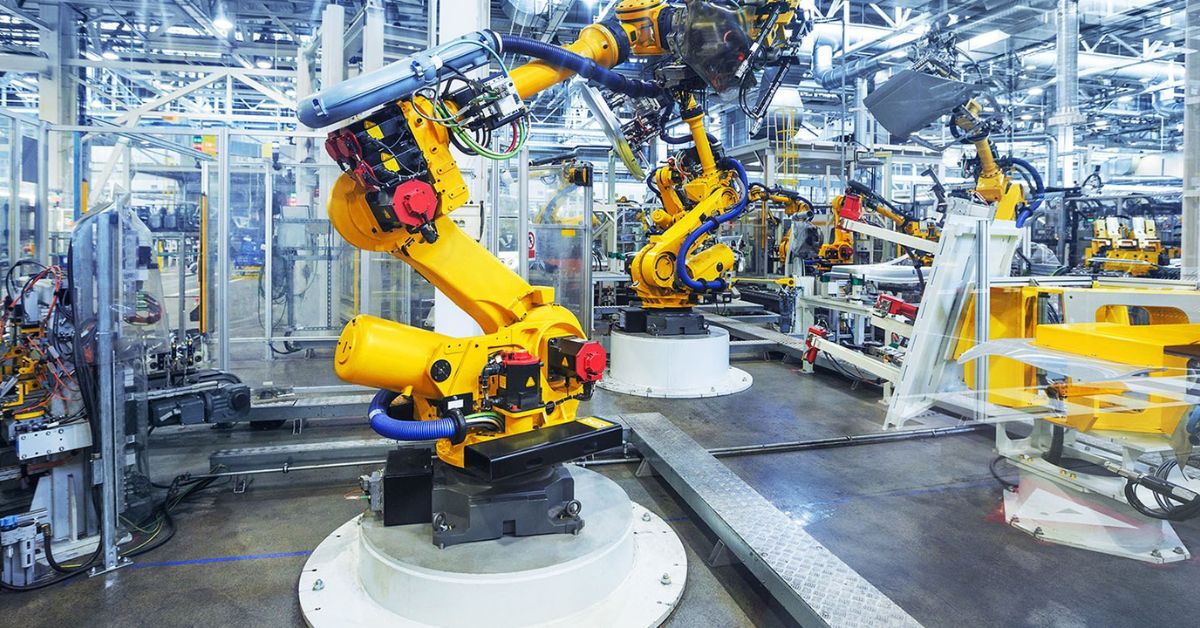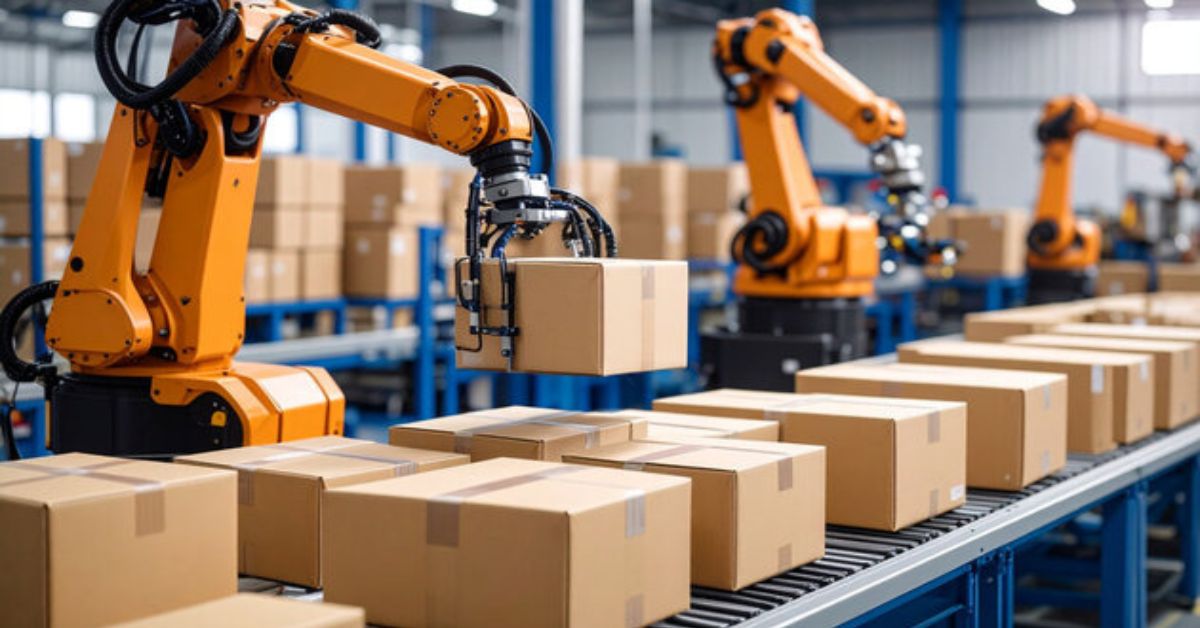
While AI and automation continue dominating conversations across the manufacturing sector, adoption rates remain surprisingly low across the United States. According to Brian Gerkey, nearly 80% of U.S. manufacturing facilities still operate without any automation systems in place.
Despite growing awareness around AI-driven production and smart factories, most manufacturers have not yet reached the advanced automation levels seen in countries such as China and Japan. Industry leaders say the gap between interest and execution remains significant.
Jeff Burnstein explained that while manufacturers recognize AI’s potential, implementing these technologies at scale remains a major challenge. Many companies continue struggling with operational complexity, integration costs, and workforce readiness.
Research from Deloitte also reflects the growing enthusiasm for smart manufacturing. Around 92% of surveyed manufacturers believe smart factories will become critical to maintaining competitiveness over the next three years.
Manufacturers Still Face Major AI Adoption Barriers
Although interest in AI is rising rapidly, actual deployment remains limited across many production environments. Deloitte’s 2025 Smart Manufacturing and Operations Survey found that only 29% of manufacturers currently use AI or machine learning at the facility or network level.
Generative AI adoption remains even lower, with just 24% of manufacturers reporting active deployment. However, many organizations are planning future investments, as 41% of respondents said they intend to prioritize factory automation projects within the next two years.
Industry experts say one of the biggest obstacles involves outdated infrastructure. Tim Gaus noted that many manufacturers are still building the foundational capabilities needed to support large-scale AI adoption.
Legacy systems, fragmented operational data, and disconnected software environments continue slowing digital transformation efforts. These challenges make it difficult for organizations to create AI-ready production systems.
Legacy Systems and Data Challenges Slow Progress
Jasmeet Singh said digital maturity plays a major role in determining how quickly companies can adopt AI technologies. Manufacturers with stronger cloud infrastructure and modernized systems are advancing much faster.
Companies that have already invested in centralized data platforms and scalable digital operations are better positioned to move beyond pilot projects. Their systems can support advanced AI applications more effectively and deliver measurable operational improvements.
According to Infosys, many manufacturers continue struggling to turn experimental AI initiatives into enterprise-wide business value. Leadership teams often demand clear returns on investment before committing large budgets to automation and AI expansion.
Some organizations also became frustrated after early proof-of-concept projects failed to produce meaningful operational impact. Experts say this often happened because companies implemented AI without clearly defined business objectives or long-term strategies.
Read : Huawei Launches Full Stack AI Data Platform Strategy
Manufacturers Focus on ROI Before Scaling AI
Industry analysts believe manufacturers are becoming more cautious about AI spending after initial experimentation phases. Instead of deploying AI simply to follow market trends, companies now want practical use cases tied directly to productivity, efficiency, and profitability.
Many manufacturers are focusing on targeted automation projects rather than fully autonomous factories. Businesses are prioritizing areas where AI can improve maintenance, supply chain visibility, quality control, and workforce productivity.
Experts say adoption will likely increase gradually as technology becomes easier to integrate and operational costs decline. AI platforms are also becoming more accessible for mid-sized manufacturers that previously lacked the resources for large-scale digital transformation.
While fully automated factories remain rare in the U.S., industry leaders believe the long-term direction is clear. As infrastructure improves and business outcomes become more measurable, AI and automation are expected to play a much larger role across global manufacturing operations.