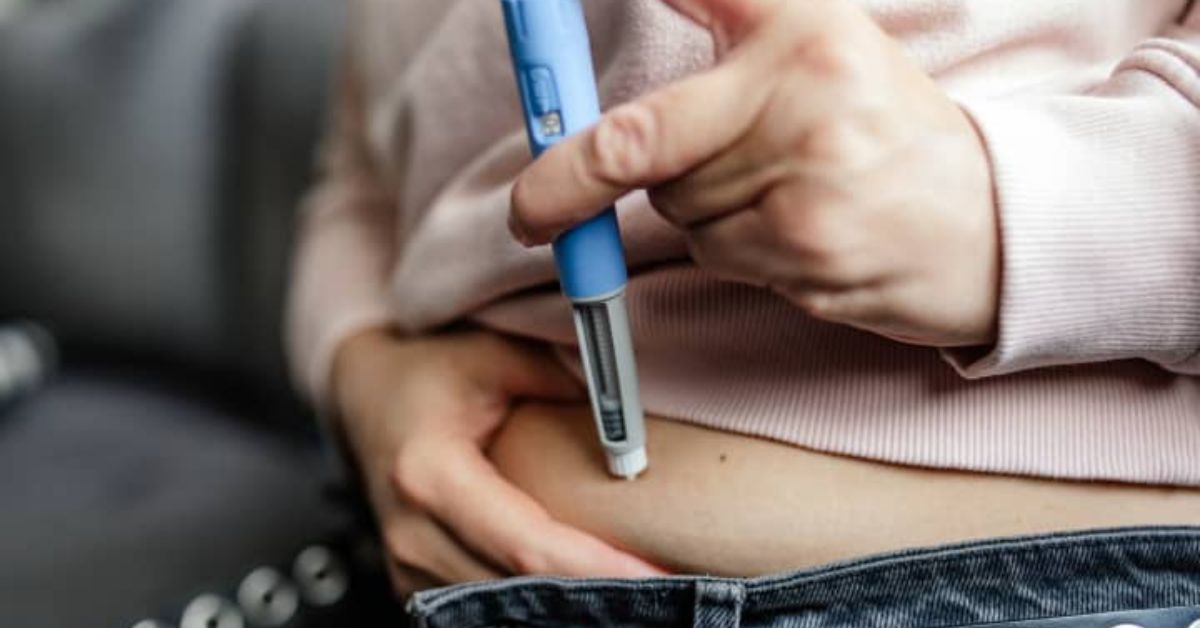
Losing weight with GLP-1 medications is only part of the journey. Maintaining weight loss over the long term remains a major challenge for many patients. High costs, side effects, injection fatigue and treatment stigma often lead people to stop therapy within a year.
Vivani Medical believes a tiny GLP-1 implant could offer a long-term solution. The biotech company is developing an experimental semaglutide implant that sits under the skin and continuously delivers medication over several months. The approach aims to improve treatment adherence.
The implant contains semaglutide, the same active ingredient used in Novo Nordisk’s Wegovy and Ozempic. Novo Nordisk recently announced a collaboration with Vivani to evaluate its lead implant, known as NPM-139. The partnership highlights growing interest in alternative obesity treatments.
Vivani expects the implant to serve as a maintenance therapy rather than an initial treatment. Patients would first stabilize their dosage using injections or pills before switching to the implant for long-term weight management.
GLP-1 Implant Aims to Improve Long-Term Weight Loss
If clinical development succeeds, Vivani hopes the implant could require replacement only twice a year or even once annually. Fewer treatments may encourage patients to remain on therapy while reducing the burden of frequent injections.
Company executives believe easier treatment options could help patients receive the full benefits of GLP-1 medicines. Consistent medication delivery may also lower the risk of discontinuation, which often leads to weight regain.
However, the implant remains in the early stages of development. It must successfully complete clinical trials and receive regulatory approval before becoming available to patients.
Medical experts remain cautiously optimistic. While many see potential benefits, they want strong clinical evidence demonstrating long-term effectiveness, safety and patient acceptance before recommending the device.
Experts Seek Clinical Evidence Before Approval
Doctors say the implant could become an attractive option for people who struggle with weekly injections. Still, researchers need to prove that continuous drug delivery produces comparable or better results than existing GLP-1 medications.
Healthcare providers also have questions about patient comfort, long-term tolerance and whether physicians will widely adopt the implantation procedure. Cost and insurance coverage remain additional concerns.
Novo Nordisk confirmed its partnership with Vivani, noting that external innovation complements the company’s internal obesity research efforts. The collaboration reflects growing investment in next-generation weight management technologies.
Industry analysts believe the GLP-1 market could exceed $100 billion by the early 2030s. If successful, implant-based therapies could become an important segment within that expanding market.
How Vivani’s GLP-1 Implant Works
Vivani’s implant consists of a tiny titanium reservoir filled with semaglutide. Different dosage options would allow physicians to match the implant with each patient’s maintenance treatment requirements.
A specialized membrane containing millions of microscopic channels controls the release of medication. Instead of mechanical pumps, the implant relies on this membrane to provide a slow and steady drug flow over several months.
The company believes continuous medication delivery may reduce fluctuations in drug levels. More stable dosing could potentially decrease common side effects such as nausea and vomiting, although clinical trials must confirm these benefits.
Patients could also have the implant removed or replaced whenever necessary. Physicians may adjust dosage levels by inserting a new implant if treatment requirements change over time.
Read : Why Human Expertise Powers Legal AI Innovation
Future Potential for Obesity Treatment
Vivani compares the implantation procedure to the Nexplanon contraceptive implant. Doctors would place the device under the skin of the upper arm or abdomen during a short office visit using local anesthesia.
The company expects the procedure to take only a few minutes and fit easily into routine medical appointments. This convenience may improve long-term treatment adherence for patients managing obesity.
The current version of the implant is designed to last approximately six months before replacement. Vivani’s long-term goal is to develop a version capable of delivering medication continuously for an entire year.
If future clinical studies confirm its safety and effectiveness, the GLP-1 implant could provide patients with a simpler and more convenient way to maintain weight loss after completing initial obesity treatment.