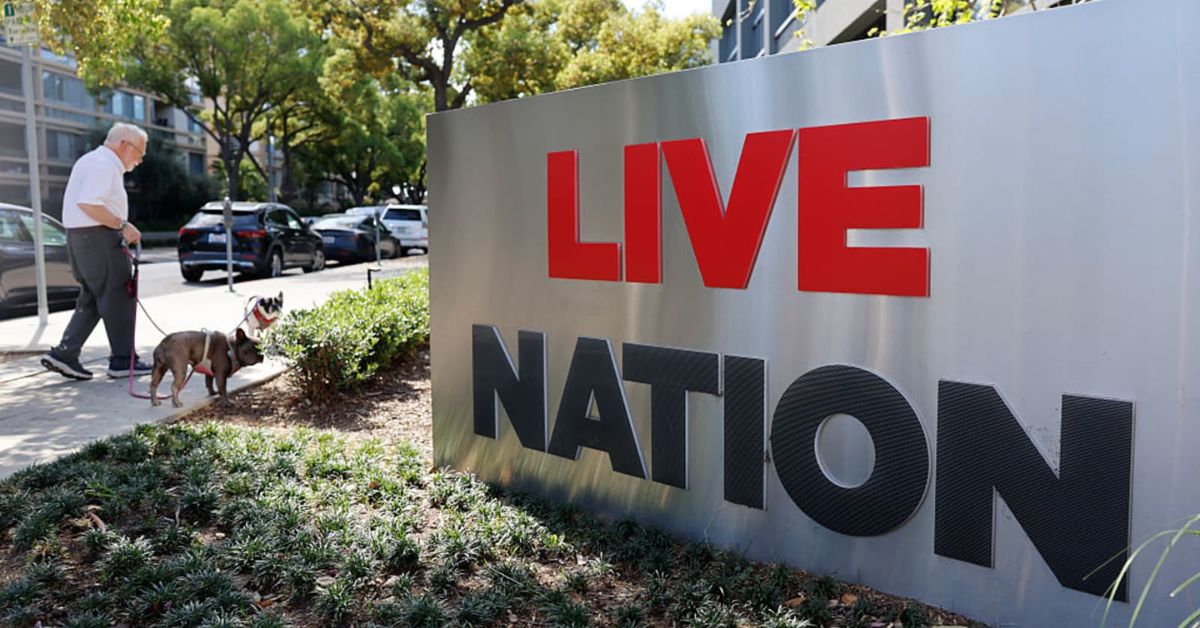
Ticketmaster and its parent company Live Nation were found to have illegally monopolized U.S. live event markets by a New York jury. The case focused on how the company handled relationships with venues and artists. This verdict marks a significant development in the ongoing scrutiny of the live entertainment industry.
The ruling is seen as a major setback for one of the largest ticketing companies in the United States. Over the years, both fans and artists have criticized its practices. High-profile figures have also voiced concerns about ticket availability and pricing. The verdict reinforces long-standing allegations against the company.
While the court has not yet determined penalties, the outcome could reshape the competitive landscape. Rival ticketing platforms may gain more opportunities to expand. Investors have already responded positively to this possibility. This shift could benefit both consumers and smaller market players.
Live Nation still faces multiple legal challenges that could impact the final outcome. If the verdict holds, the company may be required to make structural changes. This could include selling parts of its business or paying significant damages. The case is far from over, but its implications are substantial.
Jury Verdict Signals Major Shift in Live Event Industry
The ruling represents a strong stance against monopolistic practices in the entertainment sector. Authorities argue that such dominance has led to higher costs for consumers. The case highlights how market control can limit competition and innovation. It also underscores the importance of regulatory oversight.
New York’s Attorney General emphasized that the verdict confirms long-standing concerns. According to officials, the company’s actions have cost consumers millions. This reinforces the need for stricter enforcement of antitrust laws. It also sends a message to other large corporations.
Following the verdict, Live Nation’s stock experienced a noticeable decline. At the same time, shares of competing companies rose significantly. This reflects growing confidence in a more competitive market environment. Investors are closely watching how the situation evolves.
The company, however, maintains that the financial impact will be manageable. It has already set aside funds to address potential settlements. Despite the setback, Live Nation remains confident about its long-term position. Future legal proceedings will determine the full extent of consequences.
Market Impact and Legal Challenges Ahead
The case gained momentum after widespread criticism of ticketing practices in recent years. High demand events exposed weaknesses in the system, leading to public frustration. These incidents intensified calls for regulatory action. The lawsuit reflects growing pressure for accountability.
Federal authorities and multiple states have taken legal action against the company. The case is part of a broader effort to address competition issues in the industry. Some claims were narrowed before trial, but key allegations remained. The jury ultimately sided with regulators on major points.
The findings indicate that Live Nation used its market position to maintain dominance. This included linking venue access with the use of its services. Such practices limited choices for artists and venues. This behavior played a central role in the jury’s decision.
Regulatory actions are expected to continue as authorities push for further changes. Additional cases and investigations are already underway. These efforts aim to create a fairer marketplace. The outcome could set important precedents for future antitrust cases.
Read : Rising Home Equity Builds Wealth, but Dream Slips Away
What This Means for Consumers and Competition
The verdict could lead to increased competition in the ticketing industry. More companies may gain access to venues and customers. This could result in better pricing and improved services. Consumers stand to benefit from a more open market.
Recent agreements already require Ticketmaster to allow other vendors in certain venues. These measures aim to reduce restrictive practices. However, some industry groups believe more action is needed. The verdict may push for stronger reforms.
The Federal Trade Commission is also pursuing separate claims related to ticket resale practices. This adds another layer of scrutiny to the company’s operations. Combined with the current case, it increases pressure for change. The regulatory environment is becoming more stringent.
Overall, the decision marks a turning point for the live entertainment industry. It highlights the importance of fair competition and transparency. As legal proceedings continue, the final outcome will shape the future of ticketing. Both consumers and businesses are watching closely.