The latest workforce data paints a concerning picture for employers around the world. According to recent Gallup findings, there are roughly eight million fewer engaged employees globally than there were in 2020, highlighting a growing challenge for HR leaders and organizations.
For CHROs and people managers, the decline in engagement is not unexpected. Many have already been dealing with lower morale, manager burnout, and uncertainty about which workplace initiatives actually create a meaningful impact on employee satisfaction.
In response, many companies have focused heavily on measuring the issue. HR teams dedicate significant time to building employee surveys, refining demographic categories, increasing participation rates, and preparing annual engagement reports.
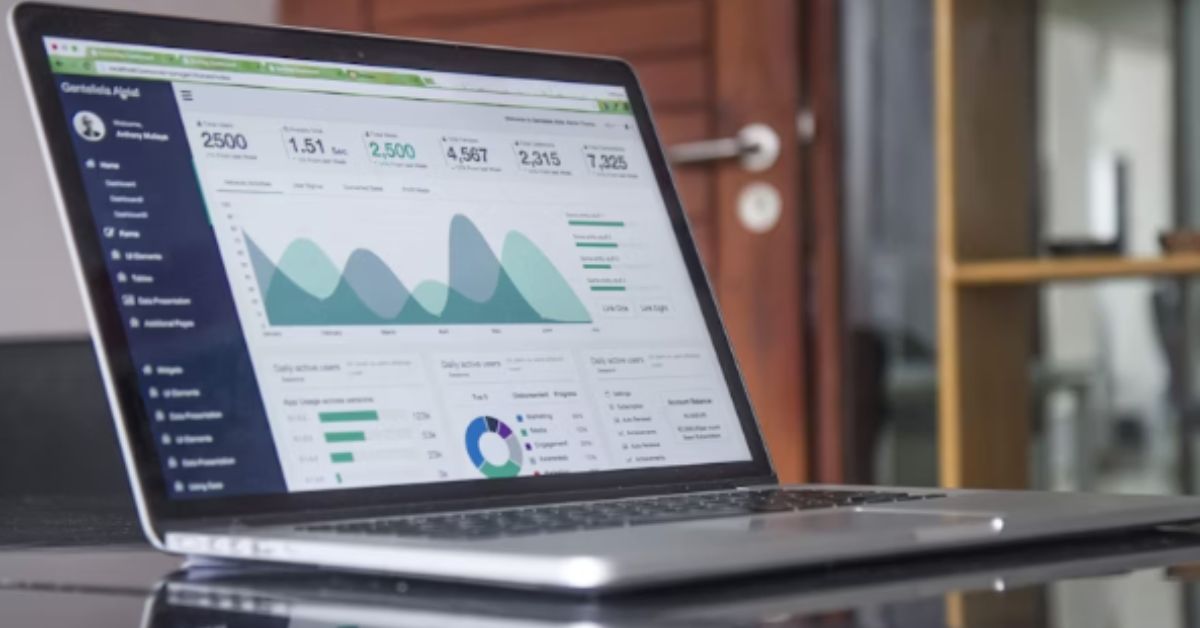
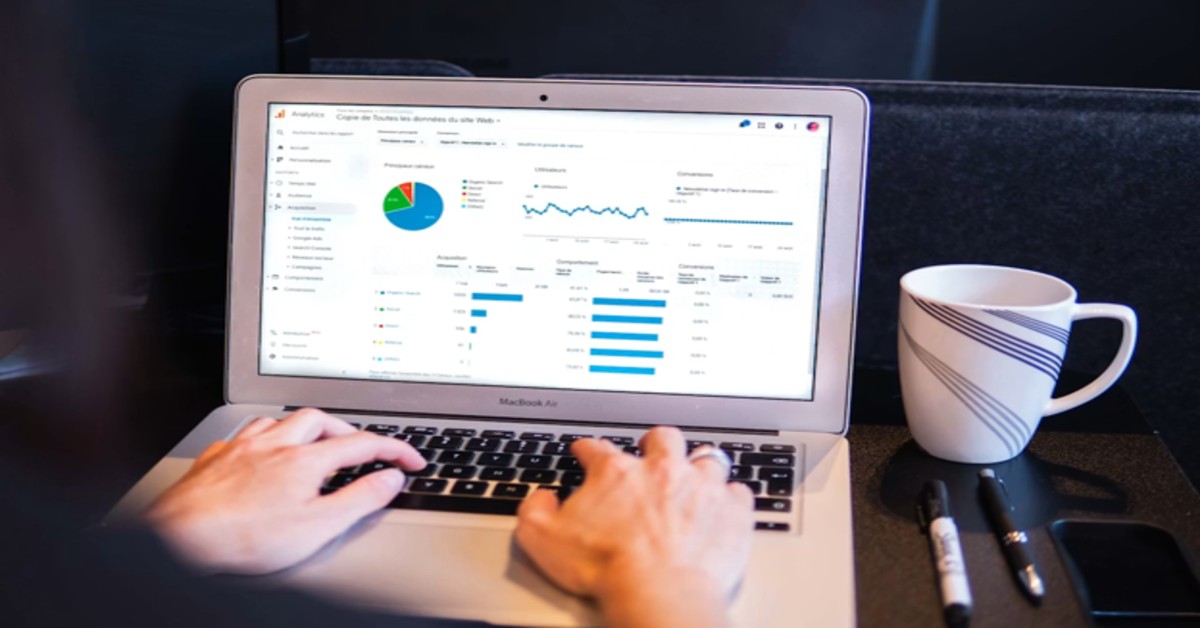
Once the results arrive, however, progress often slows. Detailed spreadsheets, dashboards, and heat maps provide plenty of data, but many organizations struggle to transform those insights into practical workplace improvements.
Why Employee Engagement Surveys Often Fail to Drive Change
Many organizations mistakenly believe that measuring engagement is the same as improving it. When survey scores stagnate or decline, HR departments typically analyze the data, present findings to leadership, and ask managers to create action plans.
The problem is that surveys explain what employees are feeling, but they rarely offer clear guidance on what managers should do next. Without practical follow-up steps, the data becomes another report instead of a catalyst for change.
This creates what many experts call “post-survey paralysis.” HR leaders attempt to solve broad cultural issues from the top down, while frontline managers often see engagement surveys as another administrative task rather than an opportunity for meaningful conversation.
Employees also begin to lose confidence in the process when they provide feedback but see little or no visible action afterward. Over time, survey fatigue develops, not because workers dislike sharing opinions, but because they feel their voices are not leading to improvements.
How HR Leaders Can Turn Survey Results Into Action
Breaking the cycle requires organizations to move beyond simply collecting feedback and instead create a continuous process of listening and acting. The goal is to make employee engagement an ongoing operational priority rather than an annual reporting exercise.
One effective strategy is to equip managers with conversation prompts instead of overwhelming them with spreadsheets. Simple discussion starters, such as asking employees how team meetings could be improved, make it easier to turn survey data into productive dialogue.
Another recommendation is replacing large, complicated action plans with small, visible commitments. Simple initiatives like beginning meetings with peer recognition or protecting uninterrupted focus time can quickly build trust and demonstrate that feedback matters.
Organizations should also shorten the feedback cycle by introducing regular pulse surveys and team check-ins throughout the year. Faster feedback loops allow businesses to respond quickly and show employees that their input leads to meaningful action.
Read : Want to Build Muscle? Focus on These 2 Key Steps
The Future of Employee Engagement Is Continuous Action
The companies that improve employee engagement most effectively are not always those with the most advanced survey tools. Instead, they are the organizations that develop strong habits for acting on feedback after the survey process ends.
Creating a stronger measurement-to-action loop shifts ownership of engagement from a corporate dashboard into the daily routines of managers and teams. This approach empowers leaders to make small but consistent improvements that positively shape workplace culture.
That philosophy drives platforms like Sunny Workplace™, giving HR leaders real-time visibility into Team Vitals while equipping managers with practical, ready-to-use team-building activities. By integrating engagement into everyday workflows.
Ultimately, surveys alone do not improve employee engagement. Businesses achieve sustainable results by combining continuous listening with consistent action, creating a workplace culture that values feedback, encourages regular conversations, and delivers tangible improvements over time.