As grocery chains face mounting pressure from inflation-weary shoppers and rising competition, many are turning to AI to protect margins without losing customers. Traditional pricing strategies are no longer as effective in today’s value-driven market.
Shoppers now split purchases across multiple stores to find better deals, benefiting discount retailers and warehouse clubs. This shift has forced traditional grocers to rethink how they stay competitive.
To adapt, companies are adopting smarter, tech-driven approaches that balance affordability with profitability. AI-powered pricing for perishable goods is emerging as a key strategy.
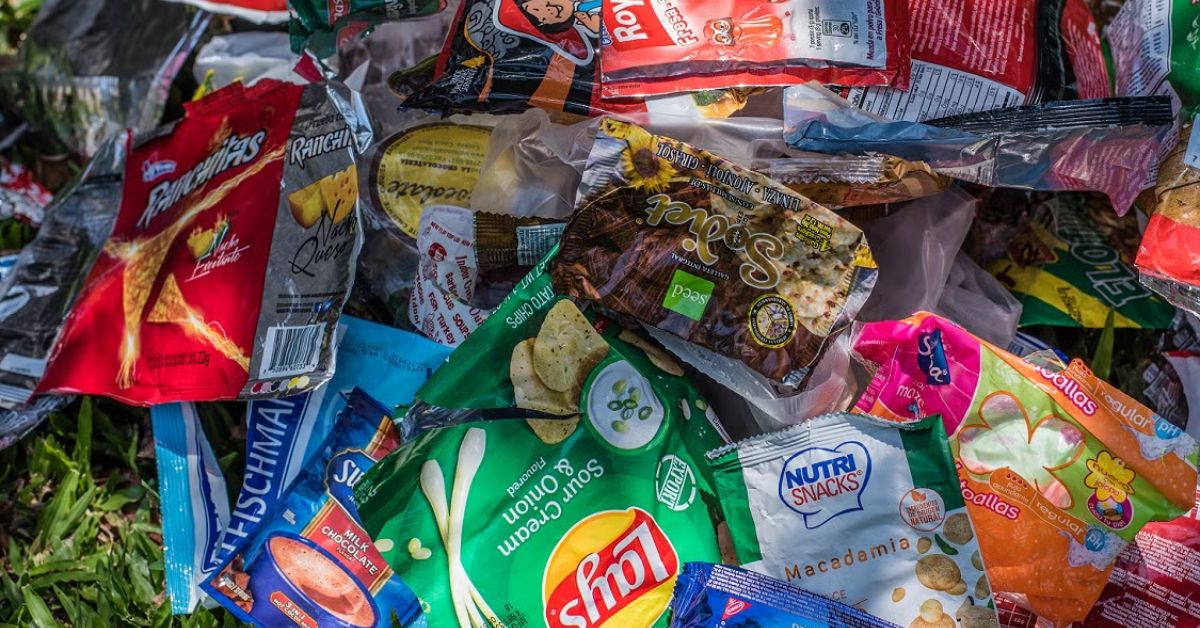
With nearly 30% of food wasted in U.S. grocery stores each year—amounting to billions in losses—reducing shrink has become a top priority.
AI-Powered Pricing Transforms Grocery Strategy
Retailers are now using AI and data analytics to adjust prices dynamically, especially for items nearing their “best-by” dates. This helps sell products before they expire while maintaining margins.
Executives like Kroger Chairman Ronald Sargent highlight AI as a tool to improve customer experience and operational efficiency. Early results show more competitive pricing and better outcomes.
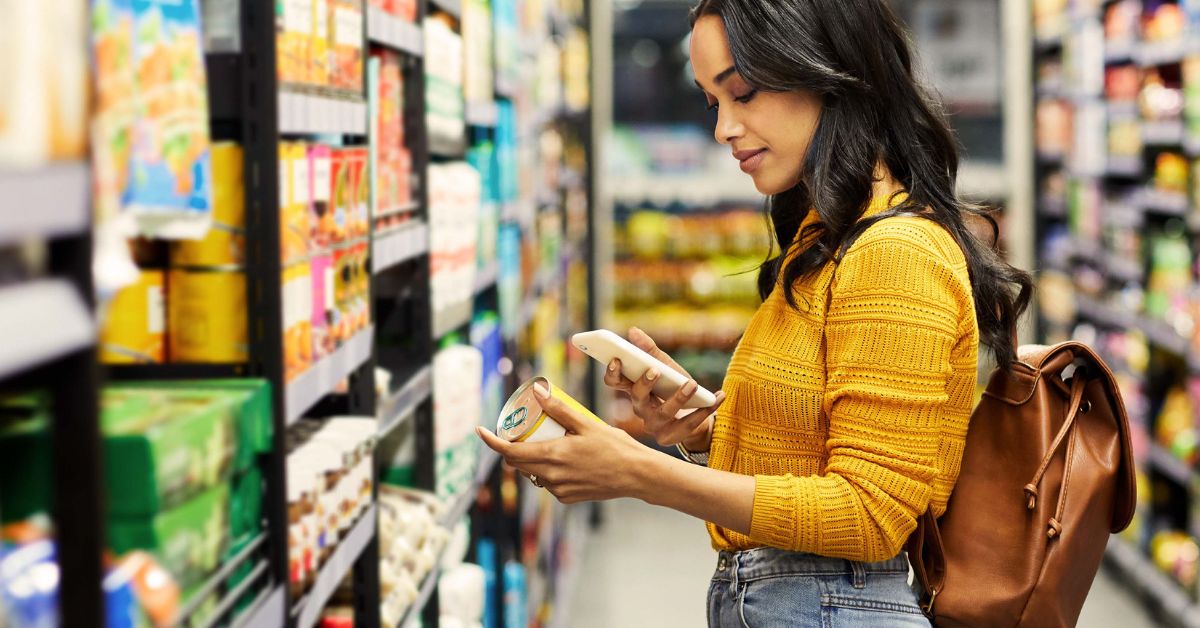
Consumer behavior also plays a major role. Studies reveal that most shoppers actively seek discounts and visit more stores, making precise pricing decisions critical.
AI enables grocers to move beyond blanket discounts and adopt targeted strategies that respond to real-time demand and inventory levels.
Platforms Like Flashfood Drive Innovation
Solutions such as Flashfood help grocers connect with value-focused shoppers by offering discounted perishable items through mobile apps. Customers can browse, pay, and pick up items easily in-store.
This approach converts potential waste into revenue while improving customer engagement. Retailers can reduce losses without damaging brand perception through excessive markdowns.
Flashfood has expanded rapidly, partnering with major chains like Kroger and operating in thousands of locations across North America.
By targeting discounts more precisely, these platforms increase product sell-through while minimizing waste and improving store performance.
Read : Broadcom to Power Meta’s Next-Gen AI Chip Development
Data Insights Unlock Growth Opportunities
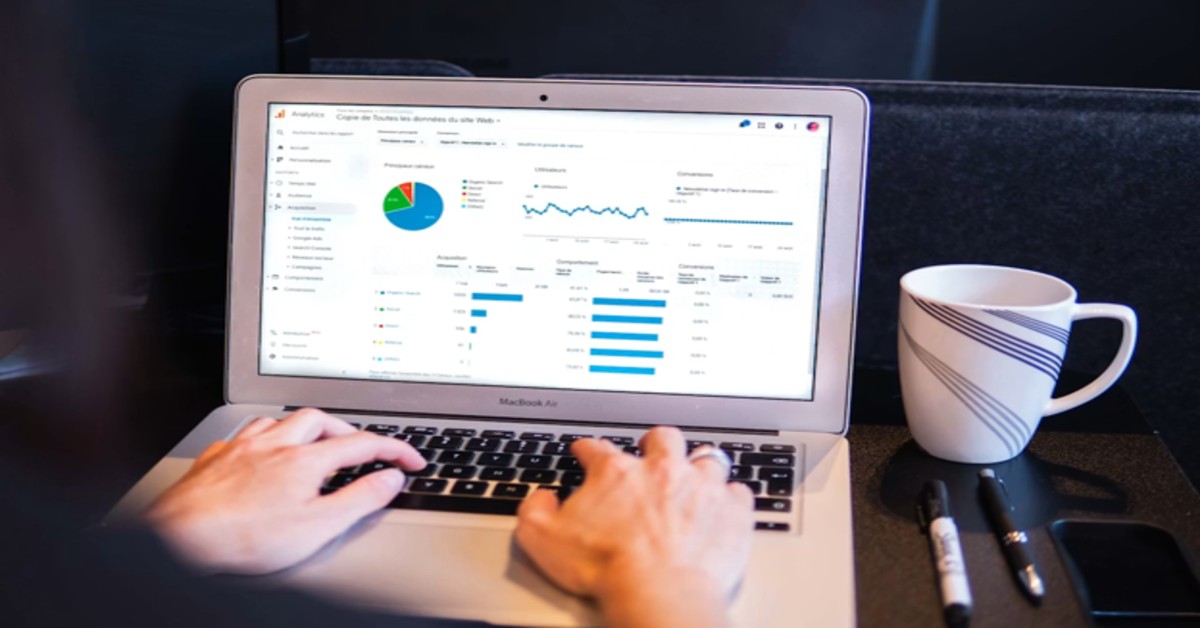
AI systems also generate valuable insights into consumer behavior, helping retailers understand what products sell best and at what price points.
This is especially important for categories like fresh food and bakery, where margins are tight and spoilage risks are high.
Retailers that effectively use data can optimize inventory, pricing, and promotions to drive better outcomes. Industry analysts note that companies like Kroger are leading in leveraging these insights.
Ultimately, bridging the gap between surplus inventory and value-seeking shoppers is becoming a major opportunity for grocers to boost profitability while reducing food waste.