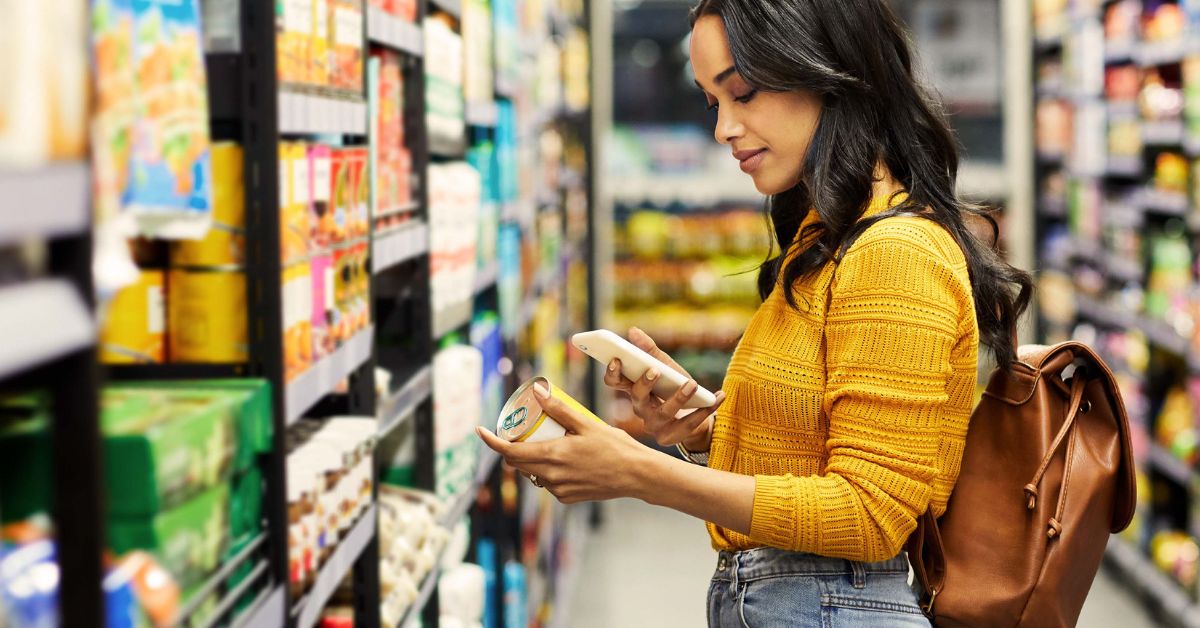
As grocery chains face mounting pressure from inflation-weary shoppers and rising competition, many are turning to artificial intelligence to protect profit margins while keeping customers satisfied. The traditional methods of raising prices or offering blanket discounts are becoming less effective in today’s value-driven market.
Shoppers are increasingly splitting their purchases across multiple retailers to find the best deals, giving discounters and warehouse clubs a competitive edge. This shift has forced traditional grocers to rethink their pricing and inventory strategies.
To stay competitive, retailers are adopting smarter, tech-driven approaches that balance affordability with profitability. AI is emerging as a key tool in this transformation.
One of the most promising applications is using AI to dynamically adjust prices on perishable goods, especially items approaching their expiration dates.
AI-Powered Pricing Transforms Grocery Strategy
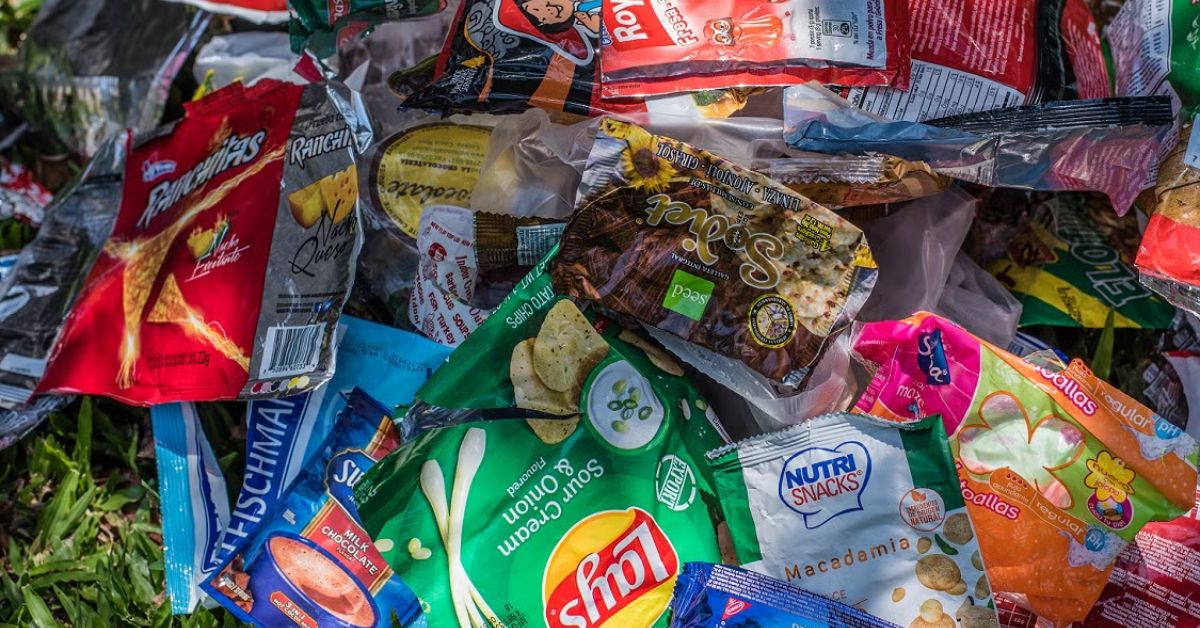
Historically, around 30% of food in U.S. grocery stores goes to waste each year, resulting in billions of dollars in losses. With inflation and rising living costs, retailers are now under pressure to reduce this waste.
AI enables grocers to make real-time pricing decisions, ensuring that products nearing their “best-by” date are sold rather than discarded. This approach helps reduce shrink while maintaining customer value.
Companies like Kroger have already started seeing positive results, with improved pricing strategies enhancing both customer experience and operational efficiency.
Data from Deloitte shows that nearly 89% of shoppers actively seek discounts, making precise pricing more important than ever.
Platforms Like Flashfood Drive Efficiency and Sales
Platforms such as Flashfood are helping grocers implement AI-driven discounting by connecting customers with discounted perishable items. Shoppers can browse and purchase products through an app and pick them up in-store.
This model allows retailers to convert potential waste into revenue, improving both sustainability and profitability. Flashfood is rapidly expanding, now operating in thousands of locations across North America.
The platform enables targeted discounts instead of broad markdowns, preserving brand value while increasing product sell-through.
Retailers benefit from increased customer traffic, with users making additional store visits and spending more on full-priced items.
Read : Snowflake Expands AI Platforms for Enterprise Growth
Data Insights Help Grocers Stay Competitive
AI systems also generate valuable insights into consumer behavior, helping grocers understand what products sell best, at what price, and at what stage of their lifecycle.
This is particularly important in categories like fresh produce and bakery items, where margins are tight and spoilage risks are high.
Retailers that effectively use this data can make smarter inventory and pricing decisions, gaining a competitive advantage in a crowded market.
As the grocery industry evolves, AI-driven strategies are becoming essential for reducing waste, improving margins, and meeting the demands of modern, value-focused shoppers.