You may not need hours in the gym to build strength and maintain mobility as you age. A new study from Penn State College of Medicine suggests that spending just four minutes a day performing four simple exercises can significantly improve physical function in older adults.
Researchers found that even a few repetitions performed consistently can produce meaningful health benefits. According to lead author Christopher Sciamanna, the human body adapts quickly to regular movement, making short but focused exercise routines surprisingly effective.
The study highlights an important message for people who struggle to fit workouts into their daily schedules. By reducing the time commitment, researchers hope to encourage more older adults to stay active and maintain their independence.
Co-author Smita Dandekar noted that one of the biggest barriers to exercise is the perception that it requires a large amount of time. A shorter, easier-to-follow routine could help more people adopt healthy habits and stick with them over the long term.
Study Finds Short Workouts Can Deliver Big Results
The research builds on earlier findings showing that shorter exercise sessions can be just as beneficial as longer workouts. Scientists tested a program called FAST (Functional Activity Strength Training)-2, which combines four practical exercises designed to improve everyday movement.
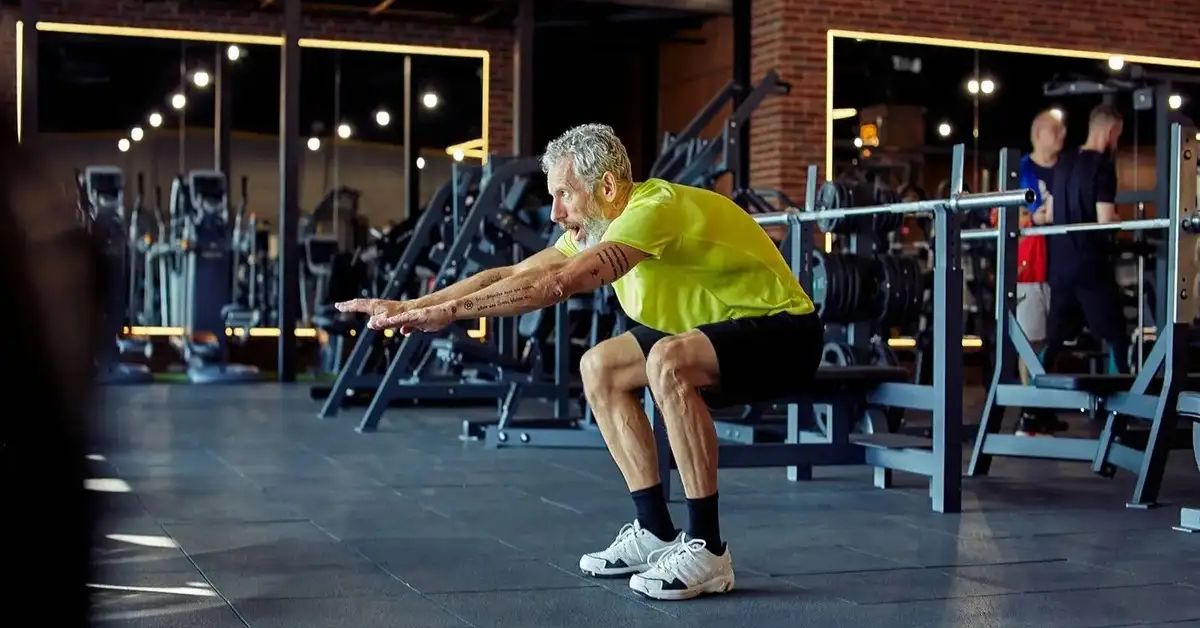
The routine included push-ups, chair stands, two-arm rows, and stair stepping. Around 100 participants, with an average age of 74, were divided into two groups, with one following the exercise plan and the other maintaining their normal routine.
Participants in the exercise group used resistance bands and an adjustable stepper, completing each exercise for 30 seconds followed by a 30-second rest period. The entire workout took only about four minutes to finish.
To make the program accessible, researchers allowed modified versions of the exercises. For example, push-ups could be performed against a wall or countertop, while chair stands could include support from the hands if needed.
Four Simple Exercises Support Strength and Balance
As participants became stronger, they gradually reduced the modifications and increased the difficulty of the exercises. This progressive approach helped them continue improving without placing excessive strain on the body.
Researchers tracked progress by measuring each participant’s ability to stand from a seated position and balance on one leg. These tests were conducted at the beginning, middle, and end of the three-month study.
According to Sciamanna, these measurements are important indicators of future mobility and overall health. They can help predict a person’s likelihood of falls, walking difficulties, and even the potential need for assisted living or nursing home care.
Previous research has also highlighted the value of balance and stability. A 2022 study, often referred to as the “flamingo challenge,” found that middle-aged adults who could not stand on one foot for 10 seconds had a significantly higher risk of early death.
Read : US Faces Pressure to Lift Limits on Anthropic Security AI
Daily Movement Could Help Older Adults Stay Independent
The results of the study showed clear improvements among those who completed the four-minute exercise routine. After three months, participants performed an average of 4.2 more chair stands in 30 seconds and increased their one-legged balance time by 3.6 seconds.
The group also reduced their sit-to-stand completion time by an average of 2.3 seconds, demonstrating better lower-body strength and mobility. These gains translate directly into everyday activities such as climbing stairs, getting out of a chair, and walking more comfortably.
Researchers believe these findings reinforce the idea that consistency matters more than workout length. Even a brief daily routine can help preserve strength, improve balance, and support healthy aging.
As people look for practical ways to stay fit later in life, this study suggests that just a few minutes of focused exercise each day may deliver meaningful benefits. Small, sustainable habits could play a major role in helping older adults remain active, independent, and healthier for longer.