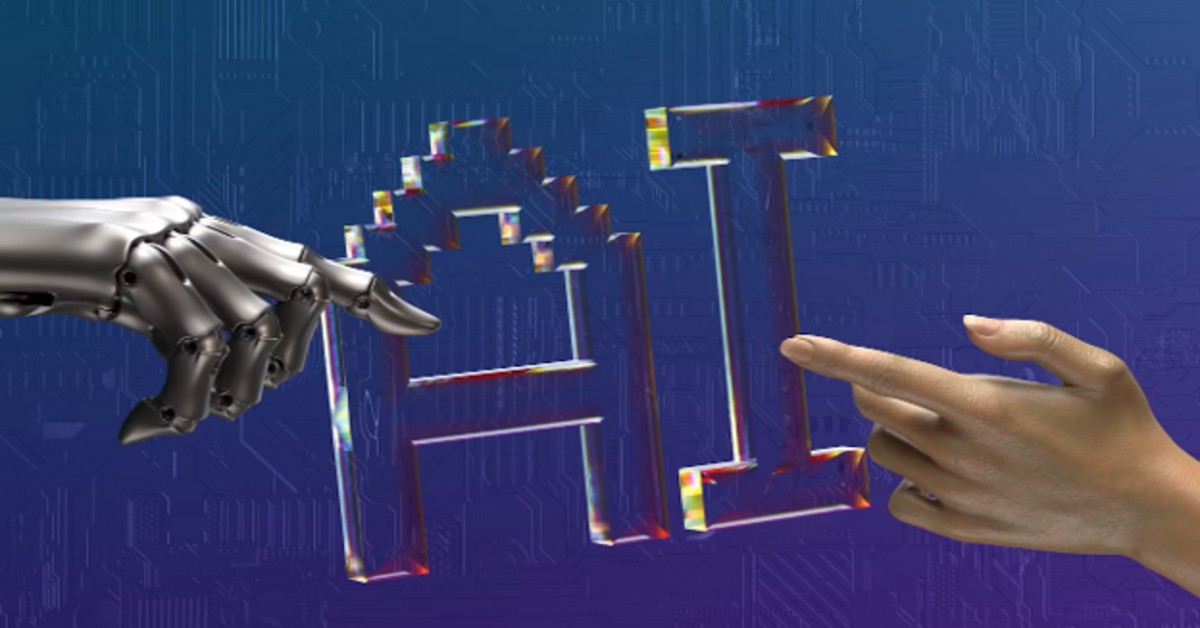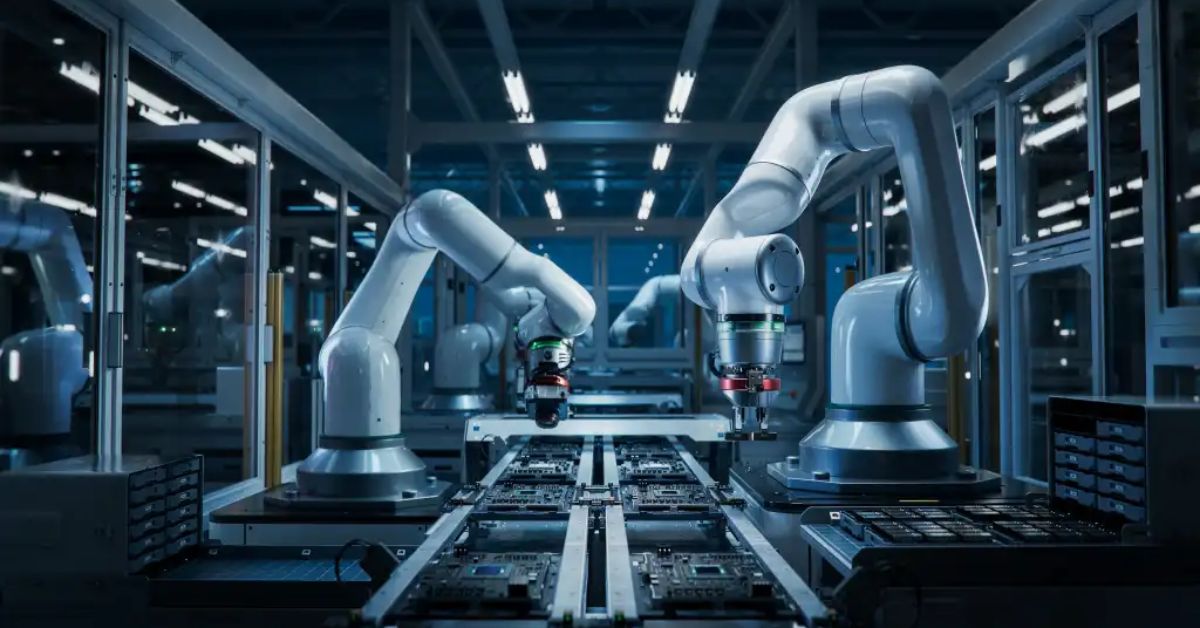
The world of artificial intelligence is rapidly evolving from chatbots to advanced vision-based systems powering robots and self-driving vehicles. While progress has been impressive, a major challenge remains in connecting machine perception to real-world conditions.
AI systems can now process massive datasets and learn from digital simulations. However, even highly advanced systems still struggle to fully interpret the unpredictable and messy physical world.
High-level reasoning alone is not enough for reliable physical AI. A system must accurately understand its environment before making safe and effective decisions.
Physical AI is entering a new era where perception and real-world understanding matter more than ever. This shift is driving the evolution from Physical AI 1.0 to the next major phase.
Physical AI 1.0 and Its Limitations
Today’s industry largely operates in the Physical AI 1.0 stage. This phase focuses heavily on scale, using vast amounts of video, text, and simulated data to train AI systems before real-world deployment.
Platforms like NVIDIA’s Cosmos have accelerated development by enabling hyper-realistic simulations. These systems help machines learn patterns and behaviors before interacting with physical environments.
However, Physical AI 1.0 has a major weakness: it relies too heavily on vision-based systems. The assumption is that more cameras and more computing power automatically lead to better understanding.
In reality, visual data can be unreliable. Glare, shadows, obstacles, and sensor noise can distort observations, leading to inaccurate predictions and poor decision-making.
Why Physical State Recovery Matters
Physical AI 2.0 introduces a critical new layer called physical state recovery. This capability helps systems reconstruct the true physical state of the environment using incomplete or noisy sensor data.
The distinction is important because success in physical AI now depends on more than just powerful models. Unlike digital AI, where the model itself often delivers the product, embodied AI requires a full ecosystem.
That ecosystem includes sensing, simulation, policy training, orchestration, safety systems, edge deployment, and continuous real-world feedback. Each component plays a vital role in reliable machine behavior.
A robot or autonomous vehicle that misreads its environment cannot reason effectively. Even the smartest AI model fails if it starts with incorrect assumptions about the world around it.
Read : Tech Megacaps Fall as AI Spending Worries Grow
The New Architecture of Physical AI
To operate safely in real-world environments, Physical AI systems need four core capabilities working together in a continuous loop.
First, world models provide prior knowledge based on past experiences and simulations. These models help AI predict possible scenarios before action is taken.
Second, physical state recovery reconstructs the current state of the environment. This allows the system to accurately identify movement, object positions, and potential risks.
Third, reasoning systems evaluate possible actions, weigh risks, and determine the best decision. Finally, action systems execute movements within strict safety limits to ensure controlled behavior.
This architecture highlights a crucial truth: reasoning is only as strong as the quality of the data it relies on. Physical AI becomes truly effective when accurate perception, smart reasoning, and safe execution work together seamlessly.