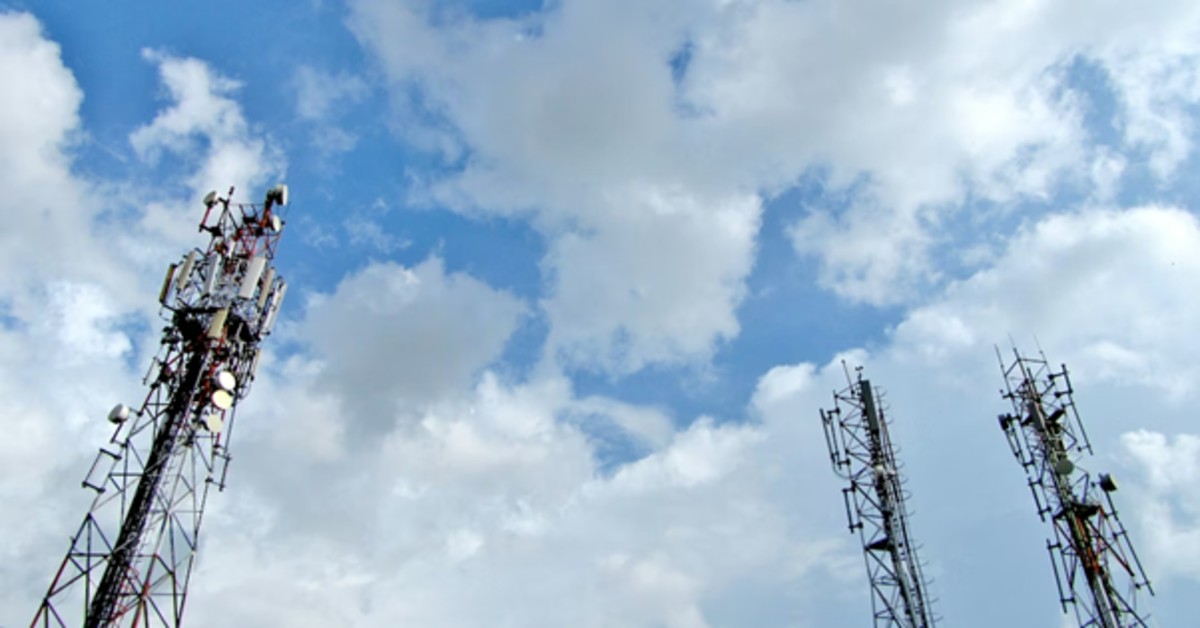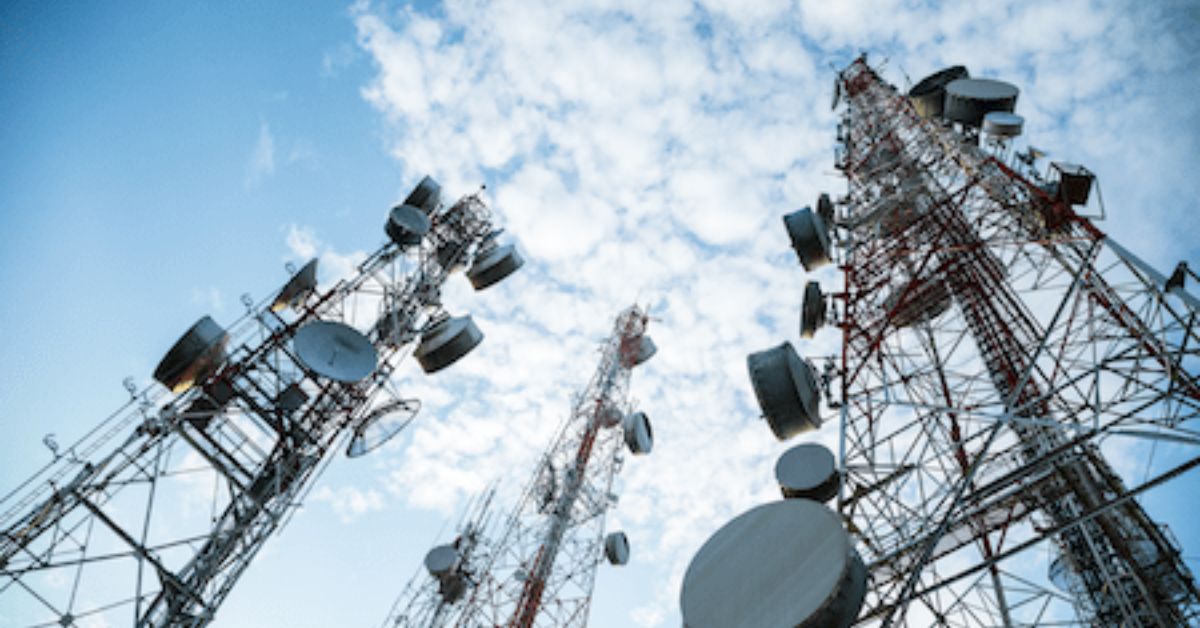
I will attend Mobile World Congress in Barcelona. I have attended this event many times during my 20-year career in the telecommunications and technology industry. Every year the theme is different: smartphones, 4G, 5G, 6G, cloud, IoT, edge, AI. Technology evolves rapidly, yet the role played by the industry in our lives remains unchanged.
When we make a phone call, have a video conference, drive somewhere, watch a lesson, book health care, operate a business, or even make a basic message, we expect this to work. There is more than meets the eye behind that simplicity; a worldwide web of interconnection. Whenever a disaster occurs such as floods, fire, earthquakes, etc, people are likely to ask: Is the network up? Can we reach each other?
Connection involves more than convenience. It is comfort, security and the foundation upon which societies run and individuals prosper. But the industry itself is in a crossroad.
When talking to telecom executives around the globe, I hear the same issue: revenues are under stress, expenses remain elevated and personalization seems to be beyond their reach. Churn remains high, growth is low, cross-sell and upsell are minimal and margins continue to narrow.
The Telecom Industry at a Strategic Turning Point
That is not a strategy issue, it is an execution issue. Customers, network and data are already in the possession of the operators, yet most of them have not succeeded in translating those resources into growth and operational efficiency.
Decisions about where to invest in the network, the customers they will focus on, and the field operation are usually impaired by slow and uncertain decisions. Latent decision making risks are real in a high velocity market.
Enterprise Intelligence Requires Data Intelligence
The fundamental problem behind these challenges is fragmented data. Teams cannot access it quickly, and they often struggle to trust the information they use. Isolated systems do not give us the opportunity to have a clear and comprehensive picture of customers and operation.
Data strategy is business strategy, so the leaders know that today. To improve financial results, businesses must become truly data-driven. They should support decisions in marketing, network investment, customer management, and fraud detection with reliable, real-time data.
This change does not involve the introduction of more dashboards. It is changing the day-to-day operations. When properly managed data is correct, it will flow incessantly; AI will learn forever; the telecom will stop responding to situations but predicting them.
From Fragmented Data to Intelligent Operations
Telecom companies that attain sustainable growth are those that formulate their business strategy on a definite data strategy. They do not just sell products, and they also expect and look into customer needs whenever they occur.
Upselling and Next-Best-Offer Decisioning: Operators will be able to determine the most appropriate action in real-time by integrating prospect and customer data each time an interaction takes place. AI models process the usage patterns, eligibility to service, network performance and competitive indicators in order to propose the most relevant offers.
They are directly processed into digital assistants, call centers, and retail channels, in addition to AI-created advice specific to the context of the individual customer. The outcomes are amazing: the attach rates have increased approximately by 250 percent, and the average revenue per user (ARPU) has also grown by approximately 8 dollars per customer per month.
Reducing Churn: Operators use conversational data, such as call transcripts and chat logs, to understand their customers and risk better. The AI models suggest retention steps in the process of live conversation, which assists the agents in treating root causes rather than just symptoms.
Turning AI and Data into Sustainable Growth
Traditionally, fraud has been dealt with once it is too late and in most cases this is done manually and at an expense. Operators can now operate on a unified data and AI basis and not reactively, but proactively protect.
AI today identifies anomalies in real-time, derives signals out of unstructured interactions and simulates new patterns of fraud. Hundreds of millions of subscribers can be monitored at the same time by operators, which enhances the accuracy of detection and decreases false positives.
Reflections: What This Means for Telecom Leaders
Provided I was leading telecom again, my strategy would then be founded on several principles. A data and AI plan is imperative to a business plan nowadays.
The sector is awash with discontinuous information that entraps businesses in closed systems, generates independent protection policies, and duplicates labor. Customers expect immediate personalisation, and the networks need to self-heal immediately. When information is transferred slowly, decisions are delayed.
The preparation of data has become a permanent capability and not an extracurricular activity. Effective leaders develop consolidated, controlled data bases that avail a unit of veracity to data on the network, customers, and operations.