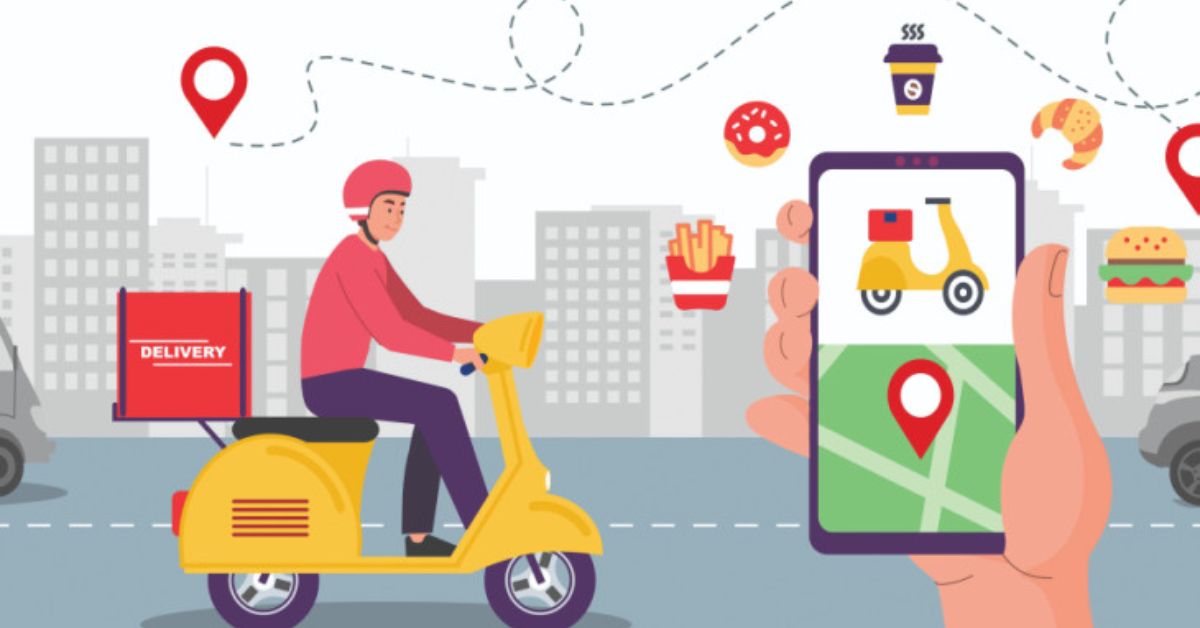
Despite the rapid rise of online food ordering across India, many independent food entrepreneurs continue to struggle with profitability. While digital platforms have expanded customer reach, they have also introduced new financial burdens. This has created a gap between revenue growth and actual earnings.
On the surface, the industry appears to be booming. Order volumes are increasing across metros as well as Tier 2 and Tier 3 cities. However, this growth does not necessarily translate into sustainable business outcomes for small restaurateurs.
The core issue lies in how the digital delivery ecosystem is structured. High demand alone is not enough to ensure financial stability. Many businesses are finding that scaling orders does not improve their bottom line.
This imbalance has forced entrepreneurs to rethink their strategies. Instead of focusing only on growth, they must now consider long-term sustainability. The current system raises questions about fairness and viability.
The Hidden Cost of Digital Visibility
Food delivery platforms initially promised greater visibility for all restaurants. However, discoverability today is largely driven by paid promotions and sponsored listings. This creates an uneven playing field for smaller businesses.
Restaurants with larger budgets dominate search results. Smaller players often get pushed down despite offering quality products. This limits their ability to attract new customers organically.
To remain visible, restaurants must spend continuously on advertising. These recurring costs reduce already thin margins. What was once an opportunity has become an ongoing expense.
As a result, visibility has become transactional. Instead of leveling competition, platforms have introduced new barriers. This shift has made it harder for independent brands to grow sustainably.
Commission and Discounting Squeeze Margins
Restaurants traditionally operate on tight margins. Expenses such as raw materials, rent, salaries, and utilities already consume a large share of revenue. Adding delivery costs further strains profitability.
Platform commissions can range from 20% to 30% per order. Along with payment gateway charges and discounts, these costs significantly reduce earnings. In many cases, profits are nearly eliminated.
Discount culture has also changed customer behavior. Consumers now expect constant deals, cashback, and free delivery. Paying full price often feels unreasonable to them.
To compensate, restaurants increase menu prices on platforms. This creates pricing distortion and weakens brand value. Businesses become dependent on discounts instead of building loyalty.
Read : How One Company Uses Digital Tools to Boost Well-Being
Operational Challenges and the Road Ahead
Managing delivery operations requires additional resources. Restaurants must handle both dine-in and online orders, often with limited staff. This increases operational complexity and costs.
Smaller establishments face greater challenges in adapting to this model. They may need to redesign kitchens, invest in technology, and manage logistics. These changes can be expensive and difficult to sustain.
The situation is even tougher in smaller cities. Lower order values and limited infrastructure make profitability harder to achieve. Entrepreneurs in these regions face higher pressure.
To move forward, structural reforms are essential. Fair commission models, better tools, and improved visibility systems can help. A focus on sustainable growth will be key to long-term success.