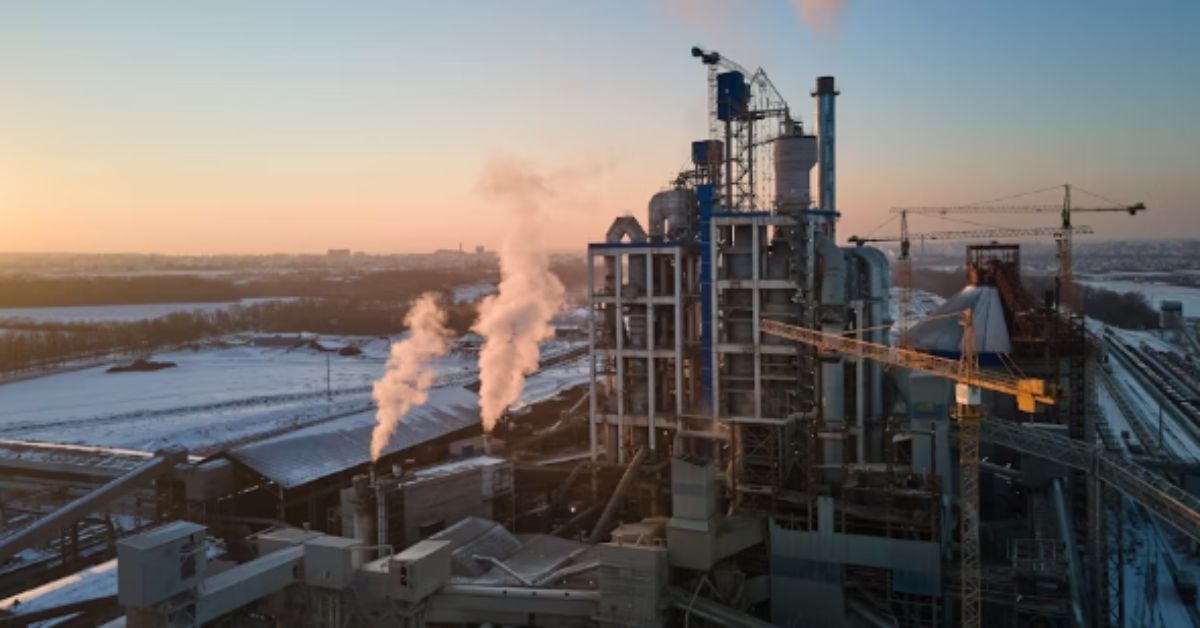
In Tomball, Texas, Superintendent Dr. Martha Salazar-Zamora turned an unlikely opportunity into an educational and economic asset by transforming a bankrupt oil field-services company site into the Tomball Innovation Center – a thriving hub for career and technical education (CTE) that serves thousands of students and draws community support.
Salazar-Zamora first saw potential in the 70-acre property in 2021 while touring its empty buildings. What others saw as abandoned warehouses, she envisioned as classrooms, labs, and workspaces where students could explore real-world careers.
With backing from the school board and a strategic purchase during bankruptcy for $39.5 million – far below its earlier $115 million valuation – the district seized the rare chance to expand its CTE offerings.
Read: States Act After U.S. Withdraws From WHO
Repurposed Space, Expanded Pathways
The former oil site now houses 28 career pathways in converted industrial spaces. Students learn everything from graphic design in fabrication labs to aviation skills on desktop simulators.
Legal studies students practice mock trials in a refurbished courtroom, while others use virtual reality to train for law-enforcement scenarios. Even a large agricultural arena on the property hosts robotics competitions and livestock shows.
This transformation has helped propel CTE enrollment from about 6,500 in 2019-20 to more than 9,400 in 2025-26. Students have earned 1,250 industry certifications, and work-based learning participation has tripled. The district’s CTE staff has grown accordingly, with more coordinators, counselors, and specialists supporting programs and students.
Leadership, Community, and Career Focus
Vision and Leadership
Colleagues and board members credit Salazar-Zamora’s bold vision and ability to recruit talented staff for the initiative’s success. Her leadership style, shaped by overcoming profound hearing loss as a child, emphasizes persistence and opportunity for every student.
She believes CTE helps students find belonging and motivation – whether they pursue college, technical careers, or apprenticeships after graduation.
Economic and Educational Impact
Beyond education, the Innovation Center generates revenue and community partnerships. The district rents event space in its facilities, leases office space to companies like an energy-technology firm, and hosts law-enforcement training on campus.
These activities help fund the district’s CTE programs alongside federal grants and general funds.