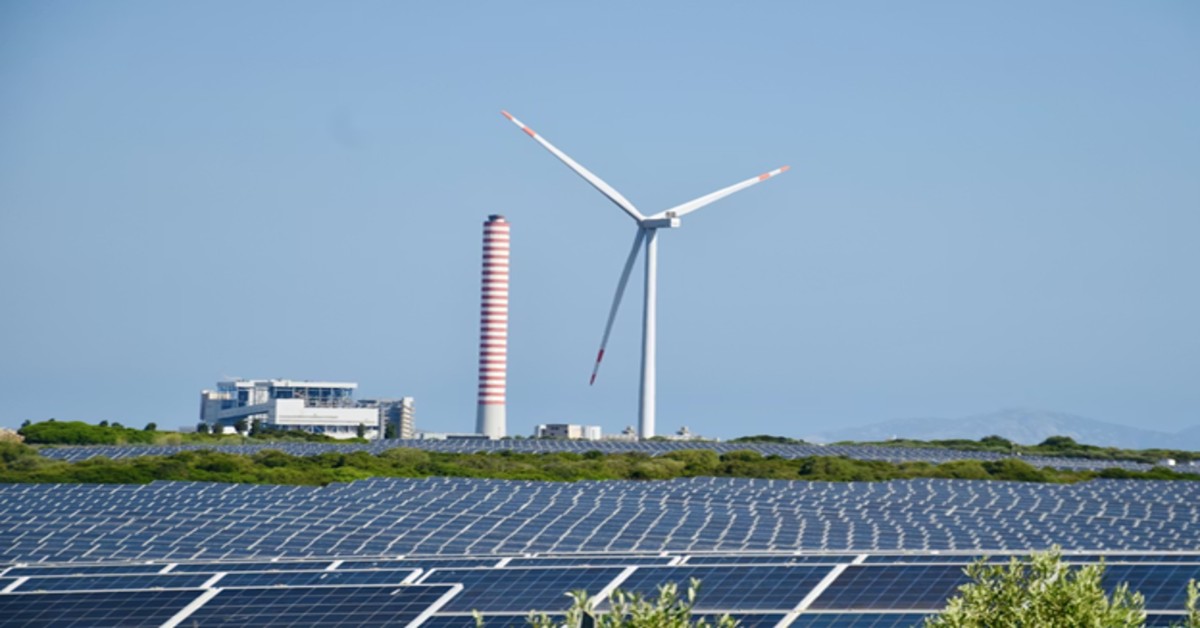
The United States now generates most of its new electricity production from renewable energy sources which include solar power and wind power and energy storage systemsWind and solar energy supplied 19% of U.S. energy, according to the federal figure used by the SUN DAY Campaign. electricity during the first 11 months of 2025 which marked an increase from their 2024 output of 17.3%. The expansion of the system shows ongoing development of established patterns. For more than two years solar power has dominated all new U.S. generating capacity additions while wind and solar projects now experience rapid growth in battery storage development.
Why Solar and Storage Are Rising Fast
The deployment of solar power systems has achieved rapid advancement through the establishment of utility-scale power plants and the construction of rooftop solar systems on buildings. The U.S. Energy Information Administration reports that utility-scale solar capacity experienced yearly growth of almost 29% while battery storage capacity expanded by almost 60% until the end of 2025.
The growth of solar energy development depends on multiple factors which include:
- The lower costs of photovoltaic systems provide a more affordable solution than many fossil fuel energy alternatives.
- The combination of state and federal incentive programs with existing tax laws creates challenges for determining effective program operation times
Battery storage systems improve grid operations by storing excess energy from wind and solar power which they dispatch according to grid demand thus enabling better integration of renewable energy sources.
Wind’s Steady Role
Wind energy continues to be a significant source of renewable power for the United States. The United States has relied on onshore wind power as its primary source of renewable energy since it became the most important electricity generation method. The growth of wind energy installations has decreased because solar energy and energy storage systems have developed at a faster pace while wind energy sites face limitations and current supply chain issues and interconnection delays and financing problems.
Policy and Market Challenges and Opportunities
The renewable sector faces obstacles because of changing policies and the current economic situation. The recent federal tax credit changes have affected both project schedules and financial results for certain wind and solar projects.
Industry groups such as the Solar Energy Industries Association are advocating for expanded deployment of storage technologies because they need these systems to help manage their variable energy production.
What This Means for the U.S. Energy Mix
The U.S. power system undergoes major transformations through the rapid growth of renewable energy sources.
- Solar and wind together now contribute nearly one-fifth of electricity generation.
- The expansion of storage capacity allows electricity grids to handle fluctuating energy production more effectively.
- The speed of growth between 2026 and future years will depend on both policy changes and economic developments.
The U.S. electric grid now receives most of its power from clean energy sources which rely on solar and wind and batteries for new electricity capacity development.