Political Power of Electricity Continues to Grow
Electricity has transformed from its role as a background utility to become a major political issue in United States national elections. Traditional political focus on oil prices has shifted because rising costs and increasing power grid strain and changing energy demand patterns have made electricity a critical political issue. The current situation exists because extreme weather events and infrastructure systems face challenges and modern technologies such as artificial intelligence (AI) data centers bring about increased demands.
Extreme Weather Tests the Grid
The United States experienced a powerful winter storm that affected most of the country during the last days of January 2026. This cold front produced heavy snowfall and ice while it brought extremely low temperatures to areas from Texas all the way to the Northeast which resulted in record heating requirements that put pressure on regional electricity systems. Grid operators announced that this winter season they would face unprecedented demands because some areas expected to reach 147 gigawatts of electricity demand which would break all previous winter records.
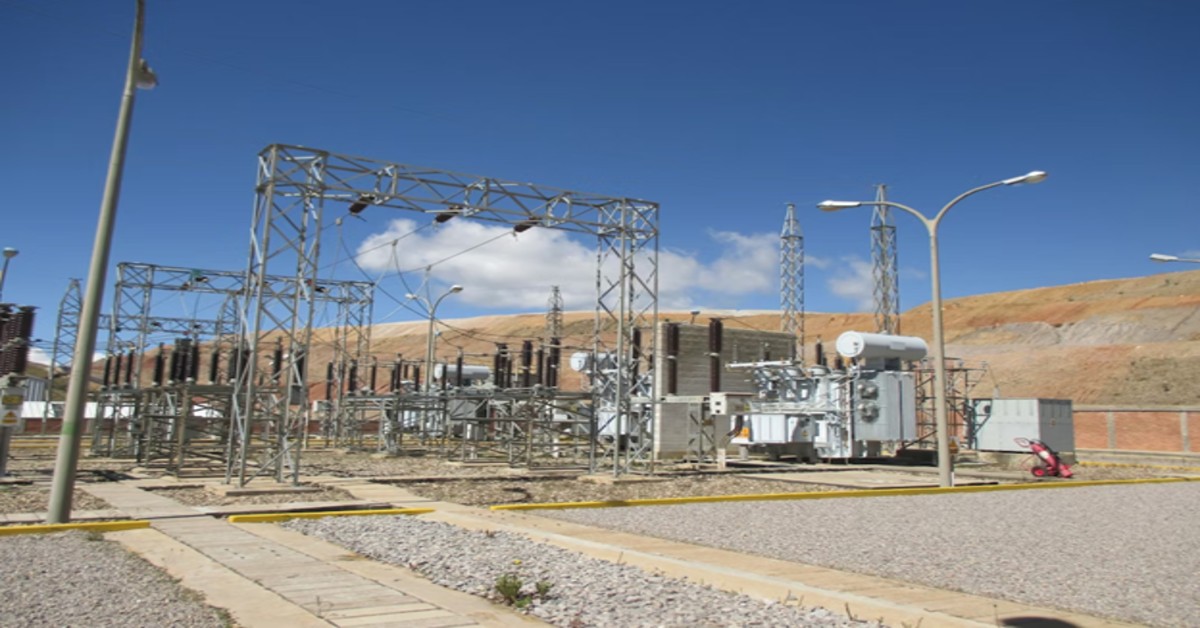
Power plants in the East and Mid-Atlantic regions faced operational difficulties because natural gas supplies became critically low during extreme weather conditions. The transmission systems established emergency protocols to control power usage because utility companies anticipated possible power interruptions. All over the states millions of people faced service interruptions after ice and wind caused local power distribution lines to break down.
AI Data Centers and Surge in Power Demand
Electricity demand is also rising due to AI data centers. These facilities require vast amounts of energy for computing and cooling which creates higher electricity demands in the areas where their operations exist. The political situation has created a discussion about which parties should pay for upcoming power generation facilities and needed infrastructure improvements. Critics argue that major tech companies benefit from cheap power while household electricity costs rise. Political leaders face demands to distribute costs in a more equitable manner.
Government Response and Policy Implications
The U.S. Energy Department under the current administration took special measures to deal with grid stress problems by implementing backup power coordination systems which connected data centers and large generators to assist during the storm. The study demonstrates how electricity policy affects both emergency management efforts and national political activities.
Voter sentiment is currently affected by rising energy costs which have emerged as a major political issue because of upcoming elections. Analysts report that increasing electricity costs which result from both emerging technology demands and current infrastructure restrictions will affect election results in both midterm elections and future voting events.
Outlook: Power, Policy, and Politics
The discussion about electricity has evolved from being an obscure technical matter into becoming a fundamental element of political debates. Power policy has become essential for national discussions that involve extreme weather conditions and AI-based power requirements and existing grid system limitations.