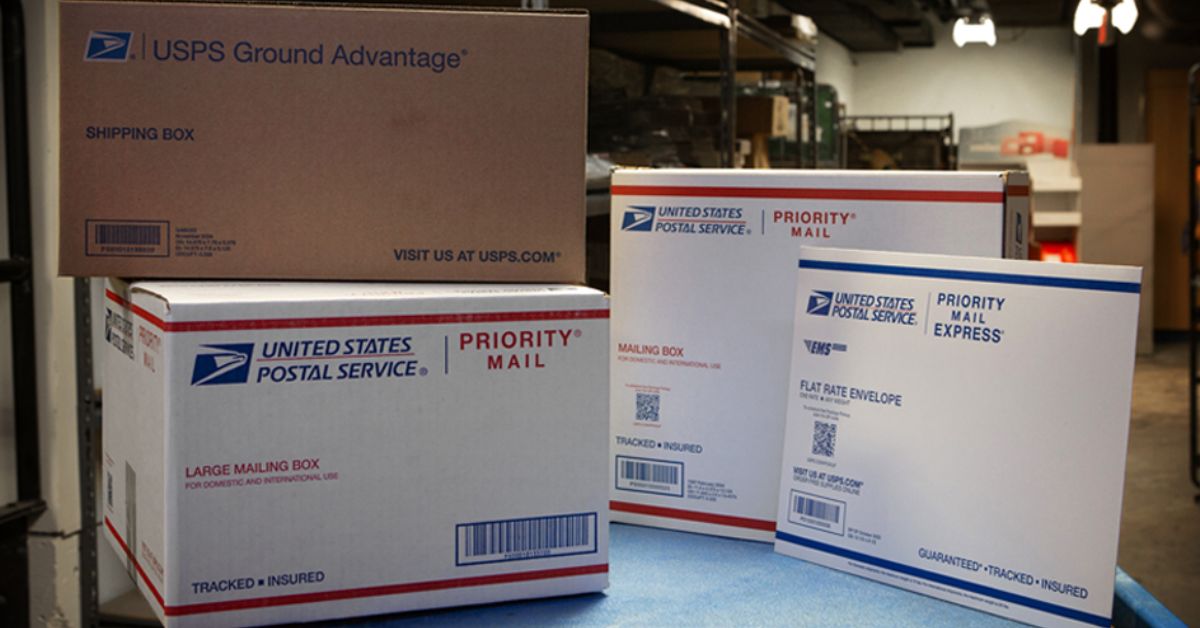
A wave of pricing changes from the United States Postal Service is set to take effect next month, creating fresh cost pressures for parcel shippers. These updates could significantly impact businesses that rely heavily on USPS for deliveries. Shipping costs may rise for many companies. Preparation will be critical.
Starting July 12, USPS will revise how it calculates package sizes and shipping rates for large but lightweight parcels. The agency will also expand dimensional reporting requirements and remove ounce-based pricing for certain Ground Advantage shipments. These changes could catch many shippers off guard. Unprepared businesses may face higher costs.
The pricing adjustments bring USPS closer to the pricing models used by FedEx and UPS. These changes may help USPS improve revenue as it works through financial challenges. However, higher costs could push some customers toward alternative carriers. Customer retention may become a major concern.
Dimensional Weight Rules Will Increase Shipping Costs
Packages larger than one cubic foot are priced based on dimensional weight. This is calculated using package length, width, and height divided by a specific divisor. Starting July 12, USPS will reduce its divisor from 166 to 139. It will also round up fractional measurements to the next inch.
This change will increase dimensional weights for many shipments, especially lightweight but bulky packages. As dimensional weight rises, shipping charges will also increase. Businesses shipping oversized products may see major pricing changes. Cost planning will become more important.
Experts note that these pricing adjustments could significantly affect certain shipments. For example, a three-pound Priority Mail package could be billed at a dimensional weight of 17 pounds under the new system. This would result in much higher transportation charges. Many shippers may need to reassess packaging strategies.
Bulky Packages Face the Highest Risk
Shippers with limited packaging sizes may adapt quickly to USPS changes. However, businesses that frequently customize box sizes will need deeper analysis of cost impacts. Packaging decisions will play a bigger role in shipping expenses. Operational adjustments may be necessary.
Lightweight but bulky packages are especially vulnerable under the new pricing rules. Their dimensional weight can be much higher than actual weight, increasing shipping costs significantly. This creates challenges for many ecommerce and retail businesses. Large boxes with empty space will be most affected.
Jack McCrum of Reveel recommends reducing package sizes wherever possible. Smaller packaging can help minimize dimensional weight charges. Eliminating excess empty space is one of the best ways to control costs. Efficient packaging will become increasingly important.
Read : How Challenger Brands Can Win With Smarter Marketing
Accurate Reporting Will Be Essential
Shippers must also ensure package dimensions are reported accurately when using services like Ground Advantage or Priority Mail. Incorrect or missing dimension data could result in additional charges. USPS is tightening compliance requirements across more shipment categories. Reporting accuracy is becoming essential.
Currently, dimension reporting rules apply mainly to parcels exceeding one cubic foot or 22 inches in length. Starting July 12, the requirement will expand to all shipments under affected services regardless of size. This significantly broadens compliance responsibilities. More businesses will need to monitor reporting closely.
USPS will impose a $3 noncompliance fee for inaccurate reporting. Although the fee for newly eligible shipments will not begin until early next year, businesses should prepare now. Early planning can reduce compliance risks and avoid extra charges. Adapting quickly will help shippers stay competitive.