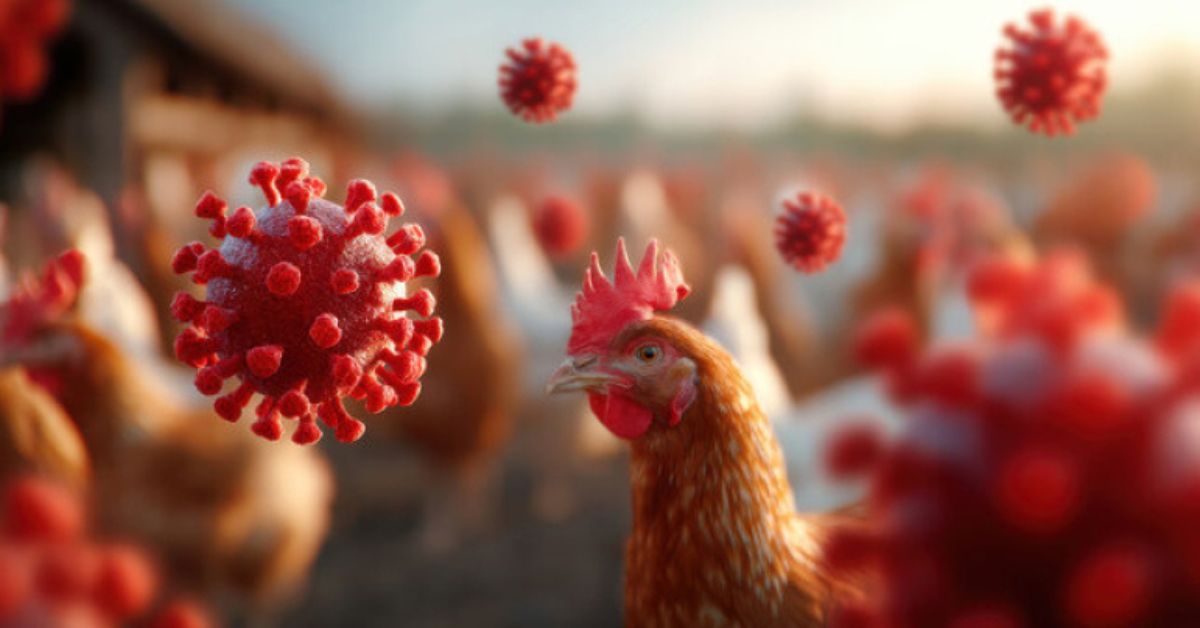
According to the state Department of Health on Friday, a citizen of Washington passed away due to complications from contracting a bird flu strain that has never been documented in people.
The patient was an older adult with underlying medical issues who was receiving treatment for an H5N5 avian influenza infection while in the hospital.
The US Centers for Disease Control and Prevention has stated that the risk to the general public from the virus remains low, despite this being the first human case of bird flu in the US in 9 months and only the second recorded human fatality from the virus.
Although no one else has tested positive for bird flu and no indication of human-to-human transmission has been discovered, officials are nevertheless keeping an eye on those who had close contact with the individual.
Read: Gilead Profit Rises on HIV Drug Demand Despite Sales Dip
Spread Source and Initial Findings
According to a statement from the Washington State Department of Health, “the person had a backyard flock of mixed domestic birds.” “Exposure to domestic poultry, their surroundings, or wild birds is the most likely source of exposure for this patient, as DOH sampling revealed avian influenza virus in the flock’s surroundings.”
Although wild birds have been afflicted by bird flu for decades, the most recent outbreak in the US began in January 2022 and has spread more among animals than in previous years.
The CDC reports that the outbreak has resulted in 70 additional human cases of avian flu in the United States. In January, a bird flu outbreak claimed the life of another older adult with underlying medical issues.
According to the CDC, the majority of infected individuals have experienced moderate disease with symptoms including fever and red eyes, despite a few severe cases. Most people who contract bird flu have a close relationship with animals. There have been 24 instances among poultry workers and 41 cases among those who work with cattle. In three cases, the exposure was unknown, and in two other cases, there was some other animal contact that the CDC does not list.
CDC Risk Assessment and Reported Cases
The CDC advises anyone who works closely with animals to wear appropriate protective gear and exercise caution around animal excrement. Additionally, officials advise being cautious when cleaning bird feeders or other surfaces that come into contact with bird droppings. Steer clear of sick or deceased animals.
Anyone who might come into contact with domestic or wild birds should also get a flu shot, according to the Washington State Department of Health. The standard influenza vaccine doesn’t prevent bird flu, but it can reduce the small risk of contracting both viruses at the same time and of the bird flu virus changing into a human-transmissible strain.