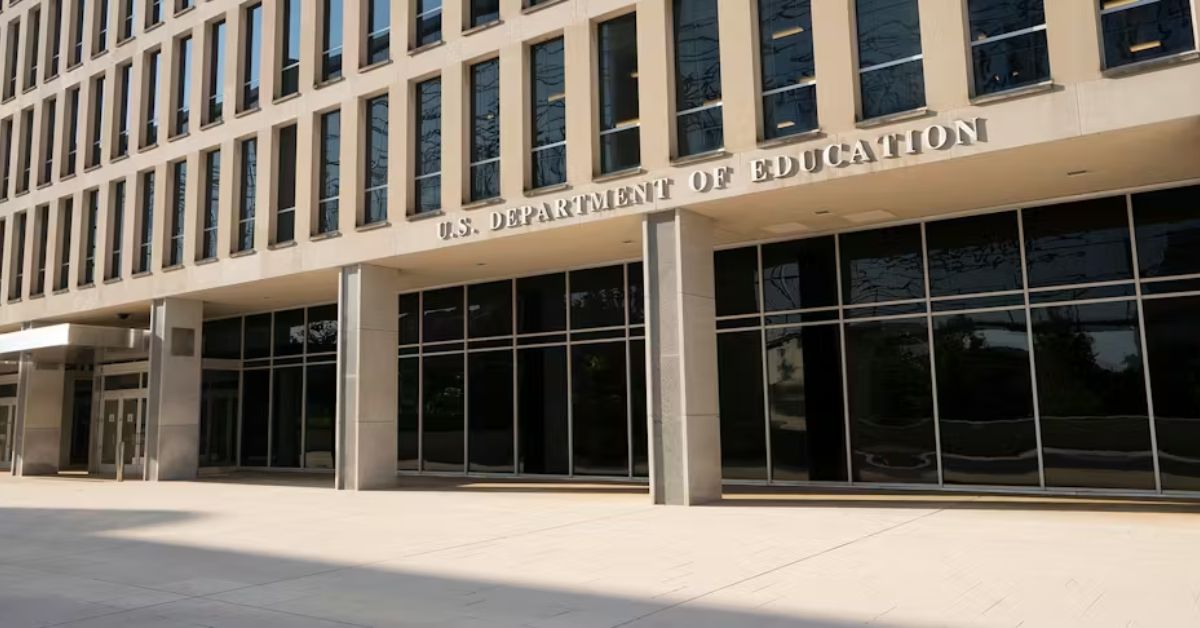
Today, The U.S. Department of Education (the Department) sent further guidance to institutions of higher education reminding them of their mutual responsibility under Title IV of the Higher Education Act (HEA) to support borrowers during their federal student loan repayment journey.
The guidance outlines best practices to strengthen institutional default management and prevention strategies. It follows the Department’s May 5, 2025 announcement highlighting the role of colleges in improving repayment outcomes.
Institutions were encouraged to increase outreach efforts to former students to reduce delinquency and prevent defaults. The Department again urges institutions to proactively engage former students who are delinquent or in default on their
federal student loans. The guidance recommends enhancing default management plans by leveraging existing communication channels and technology. Schools are encouraged to develop structured outreach programs to assist borrowers before repayment challenges escalate.
Institutions may consider creating dedicated loan repayment portals linked to their websites, offering financial literacy resources and real-time repayment data. They could also hire specialized staff to provide in-person financial counseling for current and former students.
The Department stressed that managing defaults should not be limited to financial aid offices but treated as an institutional leadership priority.
These efforts aim not only to support borrowers but also to protect institutions’ eligibility to participate in federal student aid programs. High cohort default rates (CDRs) can jeopardize access to key funding sources. Schools must therefore treat repayment success as both a student support issue and a compliance priority.
New Federal Guidance on Student Loan Default Prevention
Institutions may lose eligibility for federal student aid programs, including the Direct Loan and Pell Grant programs, if their CDR reaches 30 percent or higher for three consecutive fiscal years. Participation in the Direct Loan program alone can be revoked if a school’s CDR hits 40 percent in a single fiscal year.
To address early warning signs, the Department released updated nonpayment rates by institution. These figures serve as indicators of potential CDR failure before official measurements are finalized. According to the data, more than 1,800 institutions have nonpayment rates exceeding 25 percent.
The rising nonpayment figures highlight growing repayment challenges across the higher education sector. Institutions with high rates may face increased scrutiny from regulators. The data reinforces the urgency of strengthening borrower support systems.
Nicholas Kent, Under Secretary of Education, emphasized that institutions share responsibility for student loan repayment outcomes. While borrowers must repay their loans, colleges must ensure students understand repayment obligations and consequences of nonpayment. He warned that institutions benefiting from taxpayer funds must prioritize borrower readiness.
Rising Nonpayment Rates Put Colleges at Risk
Kent noted that institutions cannot ignore repayment struggles while continuing to receive federal aid. Schools must actively prepare students for financial responsibility after graduation. Failure to improve repayment outcomes could result in losing access to federal student aid programs.
The Department’s guidance aligns with reforms introduced under the Working Families Tax Cuts Act signed by President Trump. The legislation aims to simplify federal student loan programs and repayment options for borrowers. These reforms are set to take effect starting July 1.
Institutions are encouraged to review and strengthen their internal policies to promote responsible borrowing. Colleges should focus on early intervention strategies for at-risk borrowers. Enhanced counseling and proactive outreach are central to the Department’s recommendations.
One key recommendation includes directing delinquent borrowers toward the new Repayment Assistance Plan. The program may lower monthly payments and prevent loan balances from ballooning. It also offers mechanisms such as waiving unpaid interest to help reduce long-term debt burdens.
Repayment Reforms and Institutional Responsibility
By promoting enrollment in structured repayment programs, institutions can help stabilize borrower finances. The Department believes these measures will reduce default rates nationwide. Colleges are expected to integrate repayment education into broader student success initiatives.
Ultimately, the guidance reinforces that default prevention is a shared responsibility. Institutional leadership must treat loan repayment success as a strategic priority. Strengthened engagement and financial literacy efforts are seen as essential to protecting both students and federal aid access.
Read : Roche Strikes $2.4B Deal for 89bio to Enter MASH Market