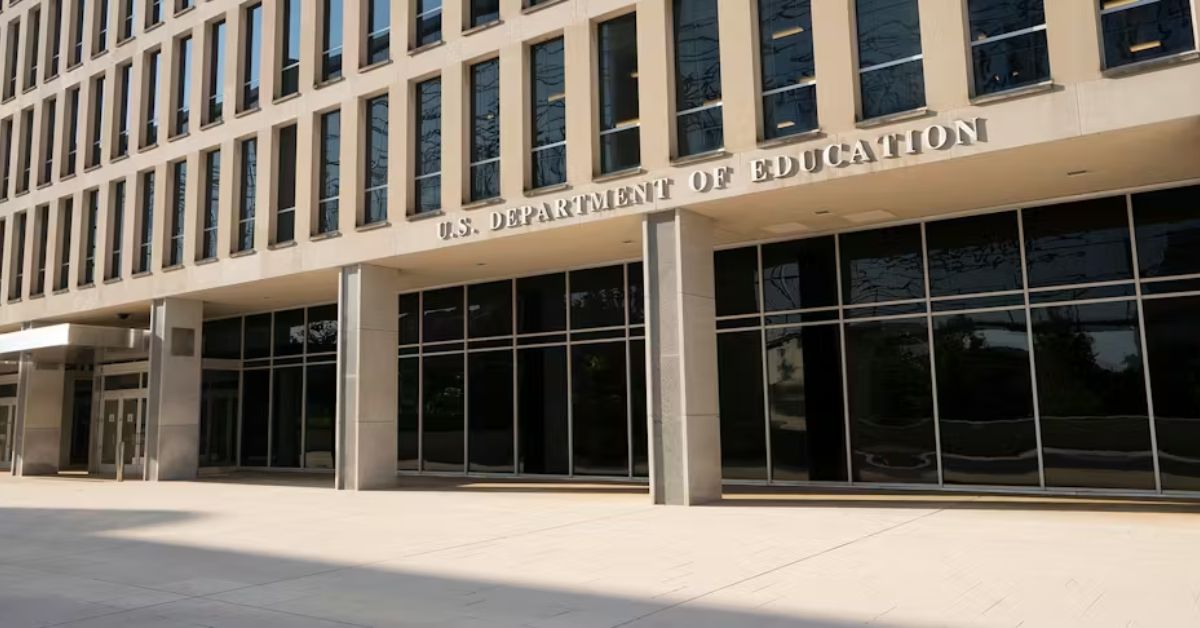
Under Secretary of Education Nicholas Kent sharply criticized the current college accreditation system as dysfunctional, arguing it has failed to hold higher education institutions accountable and contributed to declining public trust in U.S. colleges and universities.
His remarks, delivered at the Council for Higher Education Accreditation (CHEA) annual conference in Washington, D.C., signal the Biden administration’s intention to overhaul accreditation through upcoming federal rule changes.
Kent argued that accreditation is no longer a reliable indicator of educational quality and described it as an “accreditation-industrial complex.” He said accreditors have become monopolistic and resistant to new entrants, often neglecting student outcomes and accountability.
Read: Kazakhstan’s Tengiz Oilfield Faces Slow Recovery
Why Reform Is Being Emphasized
Kent tied the system’s weaknesses to broader challenges facing higher education, including poor student outcomes and diminished public confidence. He said reforms are necessary to make accreditation more competitive, merit-based, and aligned with students’ and taxpayers’ interests.
The Department of Education plans to pursue negotiated rulemaking this spring to simplify accreditation recognition, reduce regulatory burdens, and emphasize measures such as student outcomes. These steps follow broader administration efforts to reform the system and create pathways for new accrediting agencies.
Reactions from Accrediting Leaders
Responses from accrediting leaders at the CHEA event were mixed. Some acknowledged areas of agreement with Kent’s call for integrity, accountability, and transparency in the accreditation process.
For example, Heather Perfetti, president of the Middle States Commission on Higher Education, said accreditors also see a need for such principles and appreciated Kent’s attention to their initiatives.
Concerns Over Independence
Other accreditors stressed the importance of maintaining independence from political influence. Sonny Ramaswamy, former president of the Northwest Commission on Colleges and Universities, cautioned against turning accreditation into an enforcement tool for specific ideologies.
Leah Matthews of the Distance Education Accrediting Commission echoed a desire for constructive collaboration but urged a more respectful tone in discussions with the Department of Education.