Cyberattacks are increasing rapidly as more people and businesses depend on digital technology. From social media accounts to bank transactions, almost everything happens online today. This growth has also created more opportunities for cybercriminals. Understanding the different types of cyberattacks is essential to stay safe in the digital world.
This guide explains cyberattacks in simple words, with real-life examples, so even a beginner or a 15-year-old student can understand them clearly.
What Is a Cyberattack?
A cyberattack is a deliberate attempt to gain unauthorized access to a computer system, network, or data. Hackers use different techniques to steal information, damage systems, or interrupt services.
Cyberattacks can target:
-
Personal devices
-
Business servers
-
Government systems
-
Financial institutions
Some attackers aim to steal money, while others want to damage reputation or spread fear. With increasing internet usage, cyberattacks have become more advanced and frequent.
Understanding the different types of cyberattacks helps people recognize threats early and take preventive actions before serious damage occurs.
Why Is It Important to Understand Different Types of Cyberattacks?
Knowing about cyberattacks is no longer optional—it is necessary. Many people think cybercrime only affects big companies, but individuals are also common targets.
Understanding cyberattacks helps you:
-
Avoid fake links and scams
-
Protect personal information
-
Keep devices secure
-
Reduce financial risks
-
Improve online awareness
Most cyberattacks succeed because people are unaware of how attackers operate. Learning about the different types of cyberattacks gives you the power to identify threats early and stay protected in today’s digital environment.
10 Different Types of Cyberattacks
1. Malware Attack
Malware is one of the most common cyber threats. It refers to malicious software designed to damage or control a system without the user’s permission.
Malware can enter a system through:
-
Email attachments
-
Infected websites
-
Fake downloads
-
USB drives
Once inside, malware can steal data, slow down performance, or allow hackers to control the system remotely. Some malware runs silently in the background, making it difficult to detect.
Malware attacks are among the most dangerous types of cyberattacks because they can spread quickly and cause long-term damage if not removed in time.
2. Phishing Attack
Phishing attacks trick users into sharing sensitive information such as passwords, bank details, or OTPs. These attacks usually come in the form of emails, SMS, or fake websites.
Hackers design phishing messages to look real by using:
-
Company logos
-
Fake urgent messages
-
Suspicious links
Many people fall for phishing attacks because the messages create fear or urgency. Once the user clicks the link or enters details, attackers gain full access. Phishing remains one of the most common different types of cyberattacks due to human error and lack of awareness.
Read: Ghana Ministry and Cyber Security Authority Launch Cybersecurity Industry Forum
3. Social Engineering Attack
Social engineering attacks focus on manipulating human behavior rather than hacking systems. Attackers use trust, fear, or authority to trick victims.
Examples include:
-
Fake tech support calls
-
Pretending to be company officials
-
Asking for login credentials
These attacks are dangerous because they bypass technical security systems by targeting people directly. Even trained employees can fall victim if they are not careful.
Social engineering plays a major role in many different types of cyberattacks seen today.
4. Ransomware Attack
Ransomware is a type of malware that locks your files and demands payment to restore access. The attacker usually asks for cryptocurrency to remain anonymous.
Once infected:
-
Files become unreadable
-
Systems stop working
-
A ransom note appears
Ransomware attacks can shut down hospitals, offices, and government services. Many businesses lose data even after paying the ransom. This makes ransomware one of the most dangerous different types of cyberattacks in modern times.
5. Denial of Service (DoS) and DDoS Attack
A DoS attack floods a system with excessive traffic, causing it to crash. A DDoS attack does the same but uses multiple devices at once.
These attacks:
-
Overload servers
-
Make websites unavailable
-
Disrupt online services
They are commonly used against banks, gaming platforms, and e-commerce websites. Even a few minutes of downtime can cause major losses. DoS and DDoS attacks are powerful different types of cyberattacks aimed at disrupting services rather than stealing data.
6. Man-in-the-Middle (MITM) Attack
In an MITM attack, the hacker secretly intercepts communication between two parties. The victim believes they are communicating securely, but the attacker is monitoring everything.
These attacks often occur on:
-
Public Wi-Fi networks
-
Unsecured websites
-
Fake hotspots
Hackers can steal login credentials, banking details, or personal messages without the user knowing. This makes MITM one of the most dangerous different types of cyberattacks for mobile and public internet users.
7. Password Attack
Password attacks happen when hackers try to crack or steal login credentials. Weak passwords make this process easier.
Common password attacks include:
-
Brute force attacks
-
Password guessing
-
Credential stuffing
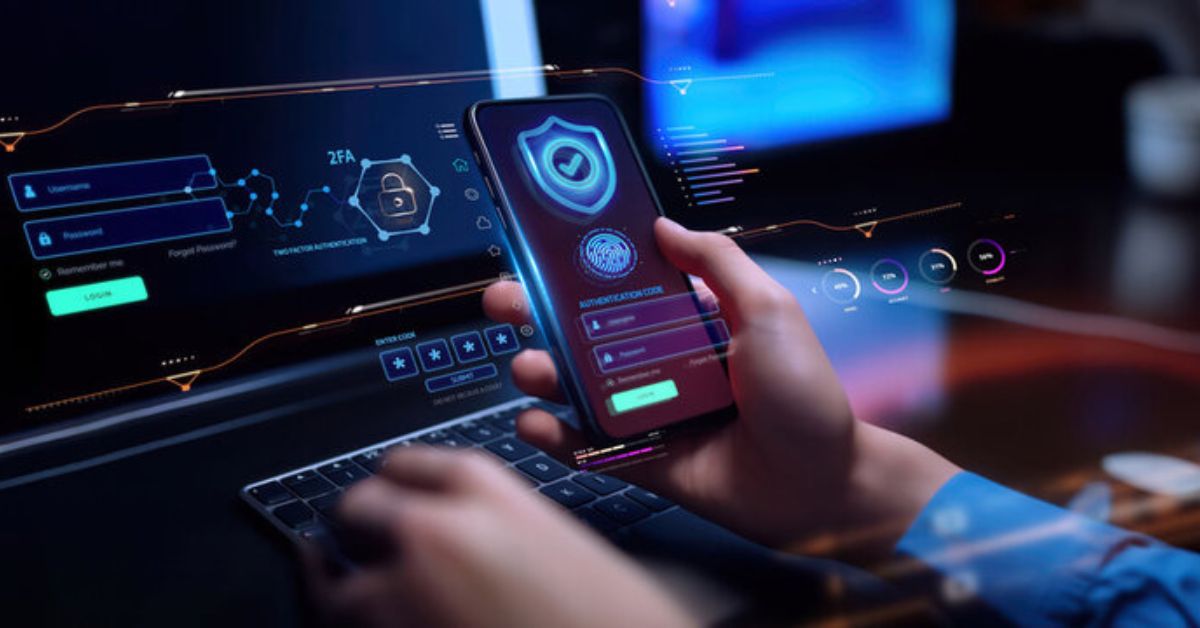
Using the same password on multiple sites increases risk. Strong passwords and two-factor authentication greatly reduce the chance of an attack. Password-related attacks are still one of the most common different types of cyberattacks worldwide.
8. SQL Injection Attack
SQL injection occurs when hackers insert malicious code into a website’s database query. This allows them to access, modify, or delete data.
This attack mainly affects:
-
Websites
-
Web applications
-
Online databases
Poorly coded websites are highly vulnerable. SQL injection can lead to massive data leaks and legal problems for businesses. It remains one of the most technically dangerous different types of cyberattacks.
9. Zero-Day Attack
A zero-day attack exploits a software vulnerability before developers release a fix. Since no patch exists, these attacks are very hard to detect.
Hackers use zero-day attacks to:
-
Spy on users
-
Steal sensitive data
-
Spread malware
These attacks are often used in advanced cybercrime or cyber warfare. Zero-day attacks are among the most advanced different types of cyberattacks today.
10. Insider Threat
Insider threats come from people within an organization. These can be employees, contractors, or partners.
Insider attacks may happen due to:
-
Negligence
-
Lack of training
-
Intentional misuse
Because insiders already have access, these attacks are difficult to detect and prevent. Insider threats are often overlooked but remain one of the most harmful different types of cyberattacks.
Common Signs of a Cyberattack
Some warning signs include:
-
Slow system performance
-
Unauthorized login alerts
-
Data loss
-
Unknown software installations
-
Frequent system crashes
Recognizing these signs early can help stop an attack before major damage occurs.
How to Protect Yourself from Cyberattacks
To stay safe:
-
Use strong passwords
-
Enable two-factor authentication
-
Avoid suspicious links
-
Update software regularly
-
Install antivirus software
-
Back up important data
Following these steps reduces the risk of different types of cyberattacks significantly.
Why Cybersecurity Awareness Is Important
Cybersecurity awareness helps people identify risks and act responsibly online. As cybercrime grows, awareness becomes the first line of defense.
Educated users:
-
Make safer decisions
-
Avoid scams
-
Protect sensitive data
-
Reduce cyber risks
Understanding cyber threats is no longer optional – it is essential.
Final Thoughts
Cyberattacks are becoming more advanced every year. From phishing and malware to ransomware and insider threats, the different types of cyberattacks continue to evolve. The good news is that awareness, proper security practices, and regular updates can protect you from most attacks. Staying informed is the best defense in today’s digital world.