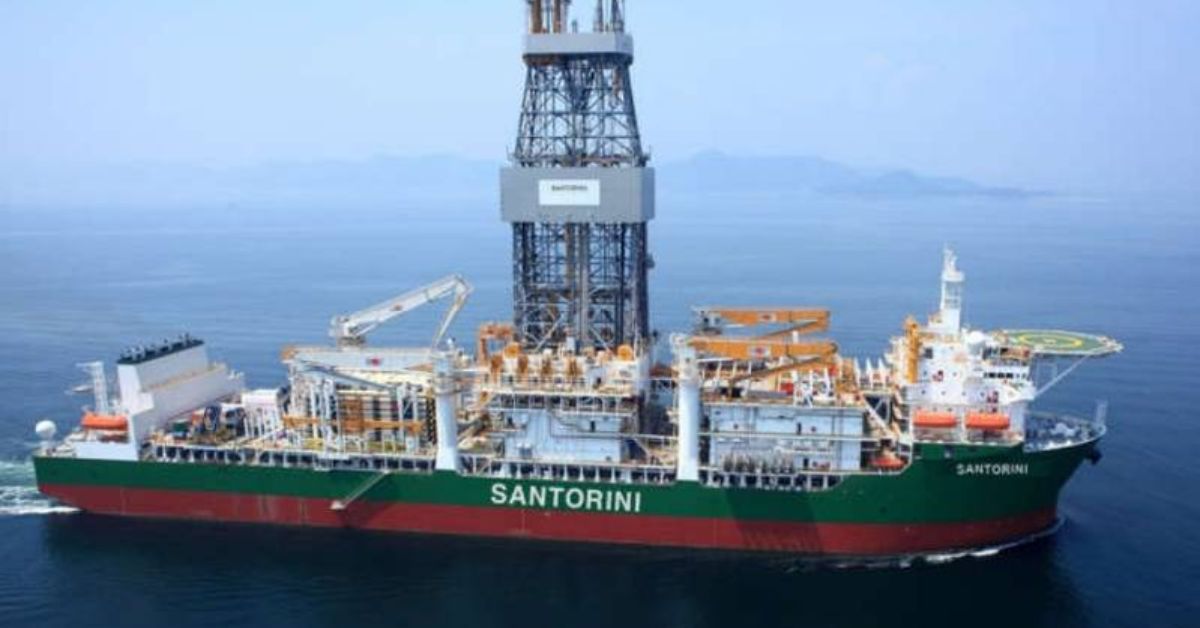
In a statement sent to Rigzone on Monday, Saipem announced that it has introduced an AI-based predictive maintenance system onboard its Saipem 12000 ultra deepwater drillship. The move marks a significant step in the company’s digital transformation strategy across its offshore fleet.
Saipem Pilots AI confirmed that the Saipem 12000 became the first vessel in the company’s drilling fleet to adopt this system, which ADC Energy developed in collaboration with Saipem. The pilot project aims to enhance operational efficiency through real-time data insights.
“Continuous data analysis allows for the timely detection of any anomalies and the planning of targeted interventions, increasing reliability and safety,” Saipem noted in the statement. The system is designed to minimize unexpected breakdowns and improve asset performance.
Saipem Pilots AI highlighted that this pilot project “is part of a broader innovation process that aims to extend the use of artificial intelligence and data analysis to the entire fleet”. The company sees AI as a cornerstone of its long-term offshore modernization plan.
AI Predictive Maintenance Rolled Out on Saipem 12000
“Aligned with this approach, a predictive maintenance project is being implemented on the Saipem 7000, one of the largest semi-submersible crane vessels in the world,” Saipem revealed. This signals the company’s intention to expand digital upgrades beyond drillships.
“Focused on the diesel generators, critical components for onboard power production, the project uses IoT sensors and machine learning models to detect early signs of potential failures,” it added. These systems continuously monitor performance indicators to flag potential risks.
“This approach allows teams to plan maintenance more efficiently and maintain operational continuity. Saipem developed the system in collaboration with BIP, an international consulting firm specializing in technological innovation and data science, and the company will test it in the coming months,” it continued.
“Through these projects, Saipem reaffirms its commitment to integrating artificial intelligence, predictive analytics, and advanced digital tools to make its offshore energy operations increasingly safe, efficient, and sustainable,” Saipem went on to state.
Expanding Digital Innovation Across Fleet and Robotics
Saipem Pilots AI explained that predictive maintenance relies on real-time data and advanced artificial intelligence algorithms. By continuously monitoring equipment conditions, the system can detect early warning signs.
As a result, it predicts potential failures and schedules interventions before issues arise. Consequently, this proactive approach reduces downtime and improves cost efficiency.
In a separate update, Saipem announced that its first resident Underwater Intervention Drone (UID), Hydrone-R, completed an autonomous survey mission over the Arctic coral area of Njord, Norway. The operation was carried out independently, without cables or surface support.
“Saipem carries out these activities under a ten-year contract it signed with Equinor in 2019, marking the first global service agreement for underwater drones in the offshore energy sector,” the company said. The drone supports subsea inspections and helps identify potential hazards to improve safety.
Read : Bank of America Overhauls Customer Rewards
Training, Sustainability and Long-Term Strategy
“The drone is tasked with carrying out inspections and interventions on underwater assets, thus providing valuable information on potential hazards, with the aim of improving the overall integrity and safety of Equinor’s subsea systems,” the company added. Robotics and AI together form a core part of Saipem’s offshore strategy.
Earlier this year, Saipem also launched a specialized drilling training center aimed at developing advanced technical skills. The hub integrates theory and practice using immersive technologies and simulation systems.
“At the heart of the center is the full-scale simulator, which faithfully replicates real operational scenarios,” Saipem stated. The system spans 24 monitors across eight meters, recreating real drilling rig conditions for trainees.